
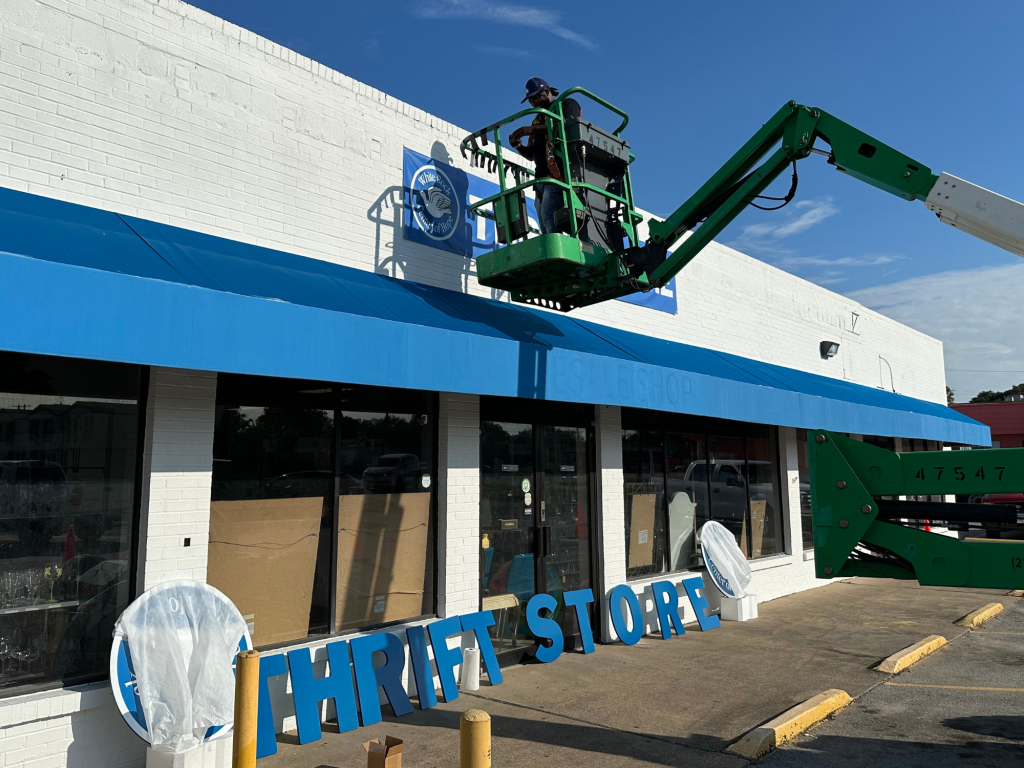
Sign installation, permitting, and repair includes the procedures to obtain approval, install, and repair signage in public and private locations. Most cities require permitting before any sign work. These regulations keep streets safe and signs visible. Permits verify aspects like sign size, type, and location. For repairs, rules may require rapid checks or follow-ups. Every city or region has its own regulations and required paperwork. Knowing local laws can prevent delays, fines, or additional expenses. Shops, schools, and offices often have to deal with these regulations. The full post will display procedures, advice, and typical issues in actual sign projects.
Key Takeaways
- A critical part of sign installation, permitting, and repair is understanding and complying with local sign, zoning, building, electrical, and accessibility codes. This compliance can help reduce the risk of violations and project delays.
- Calling in professionals early and documenting everything along the way improves your chances for timely permit approval.
- We know that careful planning and proactive communication with local authorities prevent the most common reasons for permit rejection, including incomplete paperwork, non-compliant design, engineering oversights, and unpaid fees.
- Depending on your jurisdiction, a permit may be required for sign repairs, so it’s critical to check local regulations, identify major versus minor repairs, and always record repairs for compliance and future inspections.
- Signs come with rules, and if you don’t play by them, you may have to pay large fines, close down your business, have your sign removed at your expense, and risk potential legal liabilities.
- By investing in durable materials, scheduling regular maintenance, tracking regulatory updates, and integrating new technologies, you can future-proof your signage and ensure you get the most from your investment.
Decoding Sign Regulations
Decoding Sign Codes: What Every Business/Organization Should Know Before Installing or Repairing a Sign
Regulations are not just about looks; they’re about public safety, accessibility, and protecting local character. Every city or area has different codes on what is permitted, so knowing these regulations is essential to prevent delays or expensive modifications. Signs aren’t one-size-fits-all when it comes to permits. Rules vary if it’s a temporary banner, a permanent wall sign, a lighted display, or a portable A-frame. Projects in historic districts are usually subject to more stringent sign controls and are required to incorporate period-appropriate materials and comply with cultural guidelines.
Zoning Codes
Zoning codes play a crucial role in the sign permit process. They typically regulate height, setback from the road, surface area, and sometimes even materials. In crowded urban neighborhoods like Manhattan, jumbo-size signs must comply with more rigid standards of stability and positioning. Demystifying local sign ordinances may require architectural renderings, photos of the surrounding streetscape, and information about the sign’s illumination. Certain districts ban sidewalk signs completely, whereas others permit them only during business hours to avoid cluttering the streets. Municipalities often revise these guidelines regularly, so be sure to verify on local government sites or with planning offices before starting your custom signage project.
Building Codes
Building codes guarantee that every sign, particularly those that are oversized or elevated, is secure and long-lasting. These codes include structural supports, wind resistance, and anchorage, which are essential for quality signage. For instance, signs in regions prone to high winds or heavy rainfall need to employ materials resistant to such weather extremes, such as reinforced steel brackets or UV-resistant plastics. Inspectors can visit the location either pre- or post-install to verify compliance with local sign ordinances. If changes are required, document the changes and approvals for future reference, as a few cities require you to schedule formal inspections, which can add weeks to the permit acquisition process.
Electrical Codes
For example, illuminated or digital signs must comply with local sign ordinances to ensure safe operation. Licensed electricians should handle the wiring, control gear, or LED panels, as electrical work requires its own permits separate from sign permits that must be obtained before the installation process. With light pollution becoming a significant issue in cities, local sign codes may impose restrictions on brightness and hours or require shielding from nearby residences. Arrange periodic maintenance visits to keep your signage needs compliant, especially as codes evolve with new technology.
Accessibility Standards
Signs must be accessible so that any user, including users with a disability, can obtain information. This includes braille or tactile lettering wherever it’s necessary, particularly in the case of restrooms and exits. For proper signage placement, signs must be installed at a height that is visible and reachable for wheelchair users, such as 1.4 to 1.7 meters above the floor globally. Local sign ordinances may require wider fonts or high-contrast colors or lighting for low-vision users. Go over these rules from time to time, as accessibility standards may shift, especially in public buildings or transportation stations.
Your Sign Permitting Roadmap
Sign installation, permitting, and repair are complex procedure that needs to adhere to local sign ordinances. Each step, from idea to final inspection, influences the project’s timeline and success. A professional sign contractor can help navigate the permit acquisition process, ensuring compliance with regulations and providing quality signage solutions. To guide your project, here are the main steps.
- Determine the appropriate permit for your sign’s location, usage, and shape.
- Get a good sign company to handle it.
- Get your paperwork in early. This includes sign designs, site plans, and more.
- Track your application to handle feedback or requests fast.
1. Initial Consultation
Meeting with a signage expert is your first strategic step in navigating the sign permit process. In this session, you go over project details, discuss the company’s objectives, and brainstorm on sign types and design. Your sign permitting roadmap includes local sign ordinances, zoning, lighting, and historic area codes laid out by the expert. This guidance allows you to understand how your project aligns with local regulations. They help you understand timelines, typically two to six weeks for permit approval, ensuring a seamless experience.
2. Site Survey
The site survey is technical and hands-on, where our crew surveys for visibility, traffic patterns, and adjacent buildings. They check for limitations in proper signage placement, such as utility lines, landscaping, or building codes. Local sign ordinances on sign height and distance from roads are discussed, ensuring that all signage needs are met. Any challenges logged will direct both the design and the permit acquisition process.
3. Design And Engineering
Sign design is informed by local sign ordinances, branding requirements, and site survey data. Engineers ensure that it’s structurally sound and compliant with the permit requirements. In areas with old regulations, you might need to use traditional materials. Certain locations require illuminated signage to adhere to strict brightness and message restrictions. Early authority feedback and technical drawings are prepared for the permit process.
4. Application Submission
Collect all necessary documentation for your custom signage project, including site plans and evidence of conformity. Send it to local offices, where city or regional employees check for compliance with local sign ordinances. Following your application closely can ensure a seamless experience.
5. Permit Approval
Once the business sign permit is approved, study the permit and final plans diligently. If any modifications are made, inform the authorities to ensure compliance with local sign ordinances and regulations.
6. Fabrication
Permitted licensed contractors begin the installation process of your sign with authorized materials, ensuring compliance with local sign ordinances. Updates go out to the team, as certain jurisdictions have checkpoints, particularly for oversized or illuminated signage products.
7. The Installation
Professional installers from It’s A Good Sign take care of your signage needs, always adhering to local sign ordinances. Before the installation process begins, the crew reviews safety procedures, which are recorded for future inspections or maintenance.
8. Final Inspection
The last step involves a final check by local officials to ensure that your sign complies with local sign ordinances. Any glitches are resolved immediately, and if you pass, you receive a compliance certificate to maintain for audits and annual reviews.
Avoiding Permit Rejection
Sign installation permits, including business sign permits, can be rejected for anything from missing paperwork to non-compliance with local sign ordinances. Each municipality has its own regulations that may govern the size, illumination, content, and placement of a sign. Disregarding these permit requirements risks expensive delays, fines, and potentially having your installed signs torn down. To prevent rejection and speed up the permit acquisition process, follow this checklist.
- Check all paperwork for completeness and accuracy.
- Confirm payment of all required fees.
- Consult with professionals for design and engineering compliance.
- Talk to local officials to make sure you’re clear on requirements and address issues.
Incomplete Paperwork
Forgotten paperwork or forms is a leading cause of permit rejections. Make it a rule to read all forms and attachments before submission. Be sure to include site plans, design drawings, engineering reports, and everything else the application needs. Get everything in order, like items together, labeled folders, and no clutter. This simplifies review for officials and decreases the possibility of materials becoming lost or overlooked.
Once you’ve submitted your paperwork, contact the permitting office to verify they received it all. Certain areas may require additional paperwork or permits depending on the zoning or historic nature of your home. If you discover that something is missing, add it immediately so you don’t have to begin again.
Design Non-Compliance
Each town or area has its own local sign ordinances that dictate signage permits, including size limitations, location restrictions, and content requirements. It is essential to align your plans with these local codes. Collaborating with a sign contractor or consultant can help verify compliance with every rule, such as maximum area in square meters, lighting intensity, and frequency of message changes. If officials provide comments, incorporate changes to your design and document the revisions for your records.
Engineering Oversights
Structural safety should be a big concern for permitting offices when it comes to signage permits. If your sign is large, mounted high, or has electrical components, ensure a competent engineer verifies the design. Submit complete engineering drawings and calculations that demonstrate the sign’s compliance with all local sign ordinances. Planning an engineer’s and officials’ review meeting before formal submission can catch mistakes earlier and save time.
Unpaid Fees
Missed or late payments can stall or even kill your application for sign permits! Verify the total amount since municipalities occasionally add additional fees for review or inspection related to the permit acquisition process. Never lose your receipt! If a dispute arises, these records are crucial for ensuring compliance with local sign ordinances.
Navigating Sign Repair Permits
Sign repair permitting is an intricate field influenced by local sign ordinances, the type of sign, and the requirements of the location. Not all repairs initiate the same permit process. Every jurisdiction is different, and it’s crucial to know when you need a business sign permit and how to comply with the specific requirements. Below are key scenarios where permits are required for sign repairs.
- Major structural repairs or changes to sign supports
- Hot upgrades to lighted signs, particularly if modifying intensity or wiring.
- Altering the sign’s size, height, or placement
- To change the sign’s use or message, or convert it to another type.
- Repairs following storm or accidental damage that involve rebuilding
- Modifying signs located in historic or protected districts
- Any repairs that impact public safety or traffic visibility
When Permits Are Needed
Sign repair permits are not standardized and often vary according to local sign ordinances, the sign’s size and features, and its use. Generally, sign permits are required for structural changes, electrical work on illuminated signage products, or when the sign’s footprint or content changes. For instance, changing from a static to a digital sign typically initiates a protracted zoning review, often lasting as long as 90 days. Working with your local authority is the best way to navigate the permit acquisition process if you start early.
Having the right paperwork is key to the sign creation process. The permit application process can require technical drawings, proof of compliance with brightness controls for lit signs, and site plans. In most cities, even a minor tweak, such as swapping a support beam or changing sign dimensions, requires formal review, which takes 2 to 6 weeks to comply with local sign code.
It’s smart to book inspections at critical points of the repair. This keeps you continually compliant and on the books for a paper trail. Preserving every signed form and inspection report is essential for audits, resale, or insurance claims related to your signage needs.
When Permits Are Not
A few small repairs, such as touching up paint, changing bulbs in non-electrical signs, or repairing cosmetic damage, probably don’t need permits. The ‘minor’ versus ‘major’ repair distinction differs by locality. Anyone can have a day sign repair permit.
Keep track of all repairs, even those not requiring permits. This ensures transparency and compliance. Knowing what to call a sign repair permit, staff should be trained in which repairs cross the permit threshold, reducing unnecessary paperwork and the risk of fines.
Emergency Repairs
When it comes to sign repair permits, emergencies and safety are important. Signs that pose a hazard or have been damaged by storms should be repaired promptly. Local rules cannot be ignored, even in a crunch.
Keep a record of all emergency repairs, including photos, invoices, and contractor licenses. Then, notify local authorities and see if you need retroactive permits. Employing licensed contractors keeps the repairs code compliant and reduces liability.
The Hidden Costs Of Non-Compliance
Non-compliance in sign installation and repair can lead to significant costs that go far beyond simple fines. The impacts reach into all aspects of business, including budgetary pressure and legal liability, which is why understanding local sign ordinances is essential. Here’s a table that deconstructs risk types and gives you a sense of why quality signage and compliance are important.
| Risk Type | Main Impacts | Examples |
| Financial Penalties | Large fines, remediation costs, re-fabrication, rush fees | $115,231 first offense, $230,464 next, $75-$300/sign re-fab, 25-50% rush fees |
| Operational Disruptions | Downtime, lost revenue, extra labor, and correction orders | 30-90 day correction order, re-inspection ($500-$2,500), business closure during fix |
| Reputational Damage | Trust lost, bad press, disability community | Bad reviews, community backlash, lost clients |
| Legal liability | Lawsuits, attorneys’ fees, statutory damages, court orders | Private suits, Unruh Act penalties, consent decrees, audits, mandatory training |
Financial Penalties
| Violation Type | Base Fine (USD) | Other Direct Costs |
| First Offense | $115,231 | Rush re-fab ($75-$300/sign +25-50%) |
| Subsequent Offense | $230,464 | Re-install labor, re-permitting |
| Missed Correction Deadline | $500-$2,500+ | Re-inspection/admin fees |
Not to mention, fixing non-compliant signage can lead to more than just a fine. When signs fail inspection, the costs stack up: re-fabrication, rush fees, labor, and new sign permits. These ripple effects can tax budgets, particularly small ones. Staying up to date on local sign ordinances would help minimize these penalties. Collaborating with compliance experts can clarify the cost of infractions and enable you to prepare accordingly.
Operational Disruptions
Non-compliance can bring businesses to a grinding halt. Correction orders can necessitate closing impacted spaces or the entire facility for days or weeks. This downtime represents lost sales and wasted labor.
It’s planning for these interruptions that matters. Reserve time and budget for fixes. Inform your team and stakeholders of the impact non-compliance could have on their work. Mitigation tactics such as periodic audits and preventive maintenance can help keep things running smoothly.
Reputational Damage
There’s a huge unseen cost here, even if you’re technically in compliance with local sign ordinances. Non-compliant signage breaks faith and can lead to negative perceptions from customers and the public, particularly if the sign affects access. Bad reviews, bad press, and viral posts tend to fly fast and far. This is a hazard in any society. To fight this, companies should be proactive, share their compliance noise publicly, and respond quickly to complaints. It’s an investment in quality signage options, which signals a commitment to inclusion and can increase brand equity over the long run.
Legal Liability
The overlooked expense of non-compliance invites lawsuits, statutory damages, and continuing court supervision. Private parties can sue and recover attorney’s fees. Some places provide enhanced damages, as in California’s Unruh Act.
The opportunity costs of non-compliance. Legal counsel is paramount. They assist you in comprehending risks, maintaining compliance records, and monitoring evolving regulations. Having everything documented, permits, inspections, and corrections, can protect your business from conflicts or expensive legal actions. Keeping up with new regulations is a perpetual effort as accessibility laws continue to evolve and enforcement intensifies around the globe.
Future-Proofing Your Signage
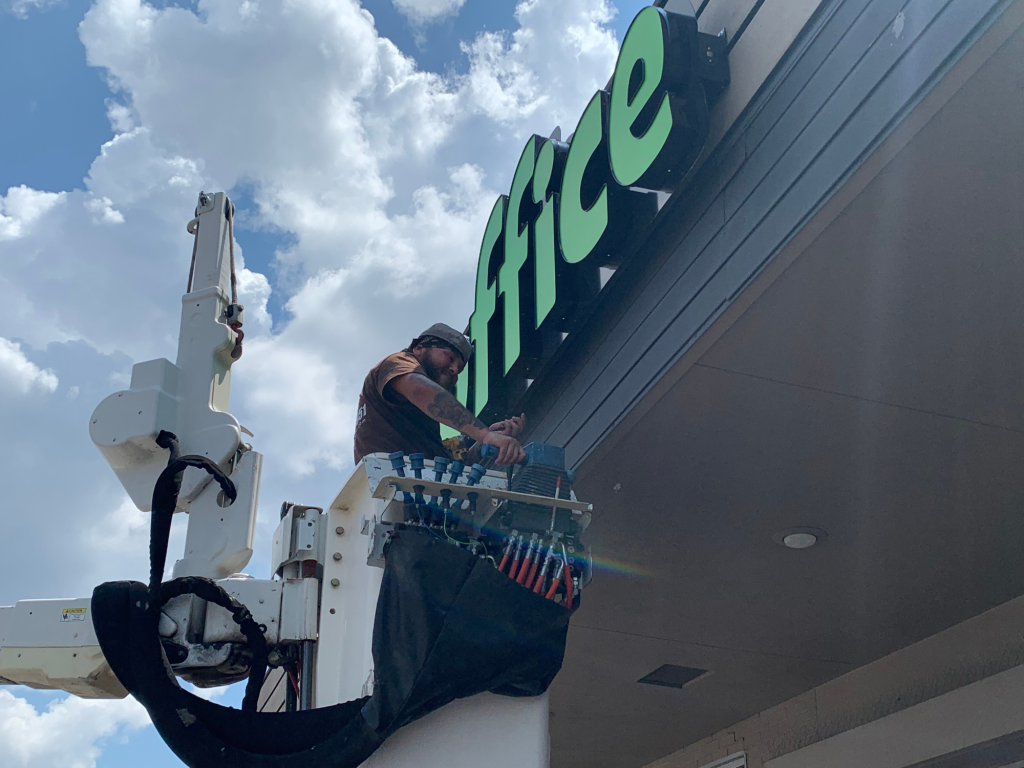
Future-proofing your signage means planning for not just today, but tomorrow’s accessibility and compliance rules. With regulations such as the 2025 ADA Standards for Accessible Design taking effect, businesses are eager to get a handle on long-lasting, compliant, and adaptable quality signage. Thoughtful design saves you expensive retrofits, fines, and keeps your signage needs effective and legal. Consider these strategies.
- Use top-grade, weather-resistant materials and finishes.
- Set up recurring inspections and maintenance routines
- Track regulatory changes and adapt signage accordingly
- Focus on high-contrast, accessible design elements
- Properly install signs to avoid future retrofits
- Document upkeep and compliance efforts
- Consult professionals for materials, installation, and tech solutions
Material Durability
Material selection is the foundation of future-proofed signage, especially when considering quality signage options. With premium metals, UV-resistant plastics, and weatherproof composites, we can ensure your signage won’t fade, crack, or warp. Local climate counts, and signs in humid, rainy, and very sunny areas require additional care. Employing coatings, such as UV films or anti-graffiti laminates, can extend the life of a sign up to 8 to 15 years. To ensure compliance with local sign ordinances, future-proofing your signage requires regular checks for wear, rust, or peeling to spot problems before they escalate. Remember, proper installation is essential; poor installation leads to costly retrofits later.
Proactive Maintenance
Perform inspections at least biannually, with extra visits after severe weather events. Documenting every inspection and maintenance can assist you in a compliance audit, especially when dealing with local sign ordinances. Promptly repairing small cracks, loose mounts, or faded copy can prevent larger, more costly issues. Collaborate with a sign contractor for expert guidance; professionals can identify what you might overlook. For example, a single missing tactile character or faded Braille can lead to significant fines.
Regulatory Awareness
Sign laws change frequently, and it’s crucial to keep abreast of local sign ordinances. Subscribe to regulatory bulletins from your local authorities or industry groups to stay informed about the permit process. Participate in webinars or local meetings about evolving signage codes, as this information provides a seamless experience in avoiding compliance hazards. Sharing insights with others in the industry helps me keep my finger on the pulse of where the trends are going early. For instance, restroom signs must be located on the latch-side wall and include tactile and braille elements, while parking facility signs should have their lower edge a minimum of 1.5 meters from the floor.
Technology Integration
Digital signage makes it simple to update if rules change or branding shifts, especially when considering quality signage options. Opt for displays with adjustable brightness and high contrast, ensuring a minimum of 70% LRV difference for visual accessibility. Future-proofing your signage with new technology like NFC-enabled or voice-guided signs can help with compliance for visually impaired users, making it essential to consult with sign code experts to select the right fit for your signage needs and region. Be on the lookout for software or hardware updates that may impact compliance or provide new features.
Final Remarks
Sign installation, permitting, and repair require solid expertise and a clear strategy. Rules change quickly from city to city, and skipping a step in the permit process can cause costly delays. Smart sign owners verify local regulations, complete forms accurately, and maintain their signage properly. Most permit problems come from missing information or poor timing; that’s where It’s A Good Sign can help.
Good records and prompt repairs save money and keep your signage compliant. Always check for updates since rules shift frequently. If regulations seem complicated or the work feels overwhelming, reach out to It’s A Good Sign for guidance. Stay proactive, stay safe, and protect your business investment. For more tips or help with your next sign project, contact It’s A Good Sign or explore our next post to learn how to make your sign last and stay legal.
Frequently Asked Questions
1. What Is Sign Permitting And Why Is It Important?
Consider the sign installation permitting and repair process, as it ensures your sign complies with local sign ordinances regarding safety, dimensions, and location regulations. Proper signage permits help you avoid fines, delays, and costly removals.
2. How Do I Start The Sign Permitting Process?
Reach out to your local government office or their website for applications related to sign permits. Collect the necessary paperwork, including sign designs and measurements, to ensure your signage project complies with local sign ordinances.
3. What Are Common Reasons For Permit Rejection?
Permits often get denied due to missing documents, incorrect sign sizes, or locations that violate local sign ordinances. To ensure a seamless experience, double-check the permit requirements and provide clear, complete information for your custom signage project to prevent these setbacks.
4. Do I Need A Permit To Repair An Existing Sign?
In most regions, repair, particularly structural repair, requires a permit. Sign installation permitting and repair must be completed before you make repairs.
5. What Are The Risks Of Not Getting A Sign Permit?
Without proper signage placement and compliance with local sign ordinances, you risk fines, forced removal, and increased repair costs that can damage your business’s reputation.
Stand Out And Build Trust With Expert Sign Installation, Permitting, And Repair
Your business signage is often the first thing people notice. The right sign doesn’t just display your name, it sets the tone, builds credibility, and helps customers feel confident before they ever walk through your door. From storefront signs to interior branding, quality signage keeps your business visible, welcoming, and compliant.
At It’s A Good Sign, we bring over 30 years of experience to every project. Our team handles sign installation, permitting, and repair with precision, clear communication, and skilled craftsmanship. Whether you need a new sign installed, help navigating city permit requirements, or fast repairs to keep your signage looking sharp, we’re your trusted partner from start to finish.
We manage the details that business owners often find stressful. This includes accurate measurements, safe installation, city code compliance, and repairs that protect both the look and lifespan of your sign. You get a smooth process and results that reflect your brand at its best.
Your sign is an investment in visibility and customer confidence. Keep it looking great and performing well with support from a signage team that knows the industry inside and out.
Ready to upgrade, fix, or install your next sign? Contact It’s A Good Sign today.
Disclaimer
The materials provided on this website are for informational and entertainment purposes only and are not intended to serve as professional advice. You should consult a qualified professional for advice specific to your unique circumstances or needs. Do not act or refrain from acting based on the content on this website without seeking appropriate guidance from an expert in the relevant field.
The information presented here may not reflect the latest developments in signage, design, or related industries. We disclaim all liability for any actions taken or not taken based on the content of this website to the fullest extent permitted by law.