

Branded interior graphics build company culture by imparting a firm’s values, vision, and distinct style directly into the workspace. With wall art, signage, and themed colors, teams witness what matters most to the company on a daily basis. These designs keep the brand message clear and crisp, making it tangible and visible, and thereby helping teams feel connected to the company’s mission. Branded interior graphics are how you make your workspace yours. With the proper balance of style and message, branded graphics can convert a bland office into a space people want to come to and never leave. The following examples demonstrate just how these graphics impact office culture and bolster team pride.
Key Takeaways
- These branded interior graphics are great ways to communicate company values, influence behaviors, and build a unified brand experience across any workspace.
- Thoughtful design in color, type, and materials can help cultivate inclusivity, belonging, and engagement for employees from all cultures.
- Digital branding strategies and virtual environments are key to bridging remote employees, keeping culture consistent, and making all staff feel part of the community.
- Beyond aesthetics and functional value, engaging employees in design and feedback drives buy-in and satisfaction, resulting in an environment that feels relevant and engaging to the entire workforce.
- It’s important to regularly measure employee engagement, retention, and brand perception to help evaluate the effectiveness of your branding efforts and inform ongoing improvements.
- By drawing lessons from winning case studies and common design pitfalls, organizations can deliver interiors that instill purpose, spark morale, and fortify culture around the world.
How Graphics Shape Culture
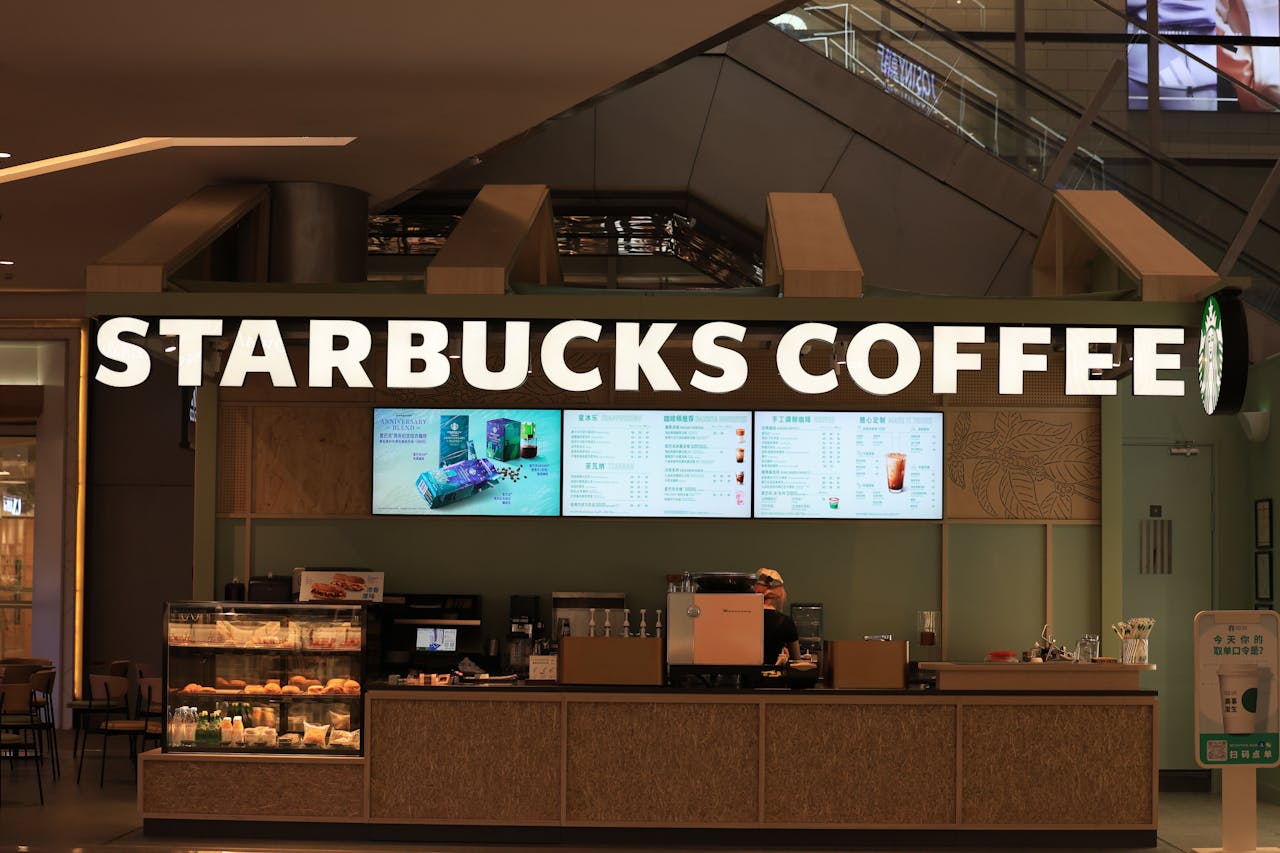
Branded interior graphics are not just decorations; they are a vital part of an interior branding strategy that influences perception and emotion in a workplace. The colors you choose, the typefaces, and the storytelling on your walls construct that first impression and set the standards by which staff and guests evaluate your culture. Effective custom signs can reflect a company’s culture, establish norms, and even make environments more inviting. These decisions are about more than style; they define the daily work atmosphere, affirm what the brand identity represents, and cultivate the proper mindset.
1. Reinforce Values
Floors, walls, and windows — everywhere you look in the office is an opportunity for effective interior branding to visually communicate your values. When a company’s beliefs and mission are emblazoned on big, central walls or woven into murals, it shows that those ideas are not just words but truths lived. These graphics could depict a milestone timeline, values, or even the company’s history through simple iconography. On an international scale, such exhibits can be adapted to suit different groups of people with common themes and easily translatable text. Uniformity throughout conference rooms, lounge spaces, and corridors guarantees that every employee receives constant reinforcement of the brand identity.
2. Guide Behavior
Signage and graphics don’t just tell you what to do; they play a crucial role in an interior branding strategy by setting a clean tone for how people should behave. Wayfinding signs and icons emphasizing collaboration spaces or workplace wellness reminders influence daily behaviors with finesse. Shared work areas can include imagery that encourages employees to collaborate, whereas posters describing procedures assist everyone in being aware of what’s required. Similarly, visual cues in workplace design, like profiled quiet zones or spaces for open dialogue, make culture visible and easy to follow.
3. Foster Belonging
Custom graphics depicting team victories or individual milestones foster pride and ownership, enhancing the office branding experience. Murals or common area displays can illuminate different backgrounds and honor inclusiveness, making everyone feel visible in the workplace environment. Design decisions that celebrate local cultures or global values within the interior spaces honor every employee, creating a lasting impression and fostering customer loyalty.
4. Inspire Purpose
Graphics that tell the company’s story and demonstrate its progress or share its goals play a crucial role in the interior branding strategy, reminding employees why their contributions matter. Whether through inspirational quotes or visuals from past triumphs, these branding elements create an engaging space that bridges daily work with larger organizational goals, embedding them into the fabric of daily life.
5. Boost Morale
We’ve seen how an effective interior branding strategy, with colorfully and playfully designed elements, raises the day, making the workday brighter and more inspiring. Lounges adorned with graphic art or recent staff accomplishments enhance workplace branding, bringing excitement and happiness to the overall experience.
The Visual Vocabulary
A powerful visual vocabulary influences how individuals experience and behave in an environment, playing a crucial role in an effective interior branding strategy. It cultivates a community identity and enhances brand awareness. This visual language does more than embellish; it materializes a brand’s culture. Each piece – color, type, texture, furniture, and light – comes together to make a place special. When the pieces play nicely together, the company’s core values speak for themselves, wordlessly. Great design facilitates connection between people and brands, making the brand distinctive and memorable.
Color Psychology
Color options play a crucial role in establishing the mood and energy of interior spaces. For instance, blue hues create a serene and concentrated area, while warmer colors like yellow and orange can enhance innovation and coziness. Many companies incorporate their primary brand colors into their interior branding strategy, applying them to walls, office signage, and furniture to maintain brand awareness. This approach makes the company’s culture easily recognizable and enhances the overall experience for employees and visitors alike.
The collaboration of colors is important as well. Combining bold and soft tones can prevent a room from feeling flat, while intentional color choices can either soothe a hectic environment or add vibrancy to a bland space. The right palette not only enriches the interior design but also subtly communicates the company’s values and priorities.
Typographic Voice
Office fonts don’t just display words; they establish a mood. Hard, sharp letters could read strong and decisive, while gentle, rounded ones seem inviting and welcoming. Selecting the appropriate fonts designs the flow through the space, indicating what’s of utmost importance and where to glance next.
Font choice must always prioritize legibility. If signs are difficult to read, no one will follow them. It is the case for all of us, regardless of our respective backgrounds or needs. Distinct font styles can draw out fresh moods without forgetting the brand’s essence.
Material Texture
Texture adds visual dimension to a brand’s aesthetic. Rough wood, smooth glass, or soft fabrics alter the character of a space and how people relate to it. Materials, either recycled or eco-friendly, are an extension of the company’s care for the planet.
A combination of textures keeps the room exciting. Metal details can make a place feel modern, while natural fibers add warmth. These options must align with the brand’s visual vocabulary. When executed well, texture makes the space come alive and feel authentic to the brand. Specialty materials such as reclaimed wood or new composites can distinguish a company and make the workspace memorable.
Beyond Physical Walls
Company culture doesn’t live within the four walls of an office anymore. As remote work expands and digital tools dominate, the traditional manner in which a company manifests its brand identity transforms. An effective interior branding strategy extends to workers beyond the headquarters, cultivating brand awareness and a unified mission for individuals throughout the company.
- Extend branded backgrounds and themes for video meetings that reflect office graphics.
- Use digital badges and certificates to celebrate employee triumphs online.
- Create interactive online spaces, like branded intranet dashboards, chat channels, or forums.
- Communicate visual updates and milestones to all teams via email banners and newsletters.
- Provide downloadable brand toolkits that remote teams can check as they go through their daily work.
Digital Translation
One giant move in keeping brand identity consistent is to take the very same look, color scheme, and style used in the office and extend it into digital spaces. This means using the same fonts, logos, and layouts on websites, intranets, and apps. For instance, a business could apply its signature wall displays to the background of its internal chat tools or add effective custom signs to shared folders.
Social media plays a significant role in office branding. When a business shares pictures of team activities, profiles on employees, or inside anecdotes, it demonstrates authentic culture. This helps those far from the office feel part of something bigger, enhancing brand awareness.
Virtual office tours provide teleworkers with a virtual ‘feel’ and ‘belonging’ of place. If employees can ‘walk through’ the workplace online, they experience how the brand exists in the physical environment, reinforcing brand recognition.
Tech allows brands to mold those feelings and behaviors online. Little things like branded avatars or custom status messages go a long way toward keeping the culture alive, even for teams divided across multiple locations, ultimately contributing to a positive company culture.
Remote Connection
Online branding Pushes How Remote Teams Bond. A digital brand toolkit—think slide deck or email signature templates—provides all employees with consistent resources, regardless of location.
Online platforms like company intranets or chat groups distribute updates and wins to encourage spirits. These platforms allow users to upload their own stories, so culture develops from the bottom up as well as the top down.
That content ought to fit the brand. Videos, blog posts, or spotlights on team members bring company values to life. They assist new employees in acclimating to the culture and provide veterans with soothing reminders of common objectives.
It is essential to empower remote workers to influence the brand. When they join branding chats or comment on new logos or slogans, they feel listened to and involved.

Strategic Implementation
Strategic implementation in an interior branding strategy goes beyond merely posting signs or wallpapering logos; it encompasses the strategic execution of intentional actions aimed at achieving objectives that align with the company’s core values. A solid plan begins with understanding the company’s vision, mission, and ambitions. When well-executed, this approach reduces risks and maximizes the return on the company’s investments. It requires a strategic deployment of resources, including people and tools, while ensuring that the new look resonates with the company culture. Monitoring and adjusting ineffective elements is crucial for success, supported by strong leadership and transparent communication to foster a positive company culture even during challenging times.
The Design Phase
Your initial design phase forms your workplace branding’s first impression. Teams collaborate with professional designers to craft bespoke branding that suits the interior spaces and aligns with the company’s value system. It has to feel authentic to the organization’s mission. It’s not only about selecting colors or fonts but also about decisions that represent what the company intends to communicate, be it trustworthiness, innovation, or compassion.
Mock-ups and prototypes play a significant role in the interior branding strategy. They allow everyone to view what the space will actually look like before they ‘pave it in stone’. For example, a tech company might incorporate glass walls etched with mission statements, whereas a healthcare provider might decorate with soothing, empathetic wall art. These examples help identify problems early and provide an illustrative sense of the final product.
Workers ought to have their thoughts represented in the architecture. This ensures that the result is not only on-brand but welcoming to all. It needs to enhance the overall experience of everyday work, not just look good.
Employee Input
It’s critical to get feedback from staff. Their perspectives inform designs that are both fashionable and functional. The people who use the space each day know what works and what does not.
Surveys and group discussions identify what employees desire and require. When you get them involved in picking colors and themes or even placement of graphics, it makes them feel part of the change and boosts morale.
Team input translates to actual adjustments. For example, if a lot of people are requesting more natural light or calming images, that can inform the branding decisions. This aids in making the area feel more inviting and keeps the surroundings connected to the firm’s culture.
Common Pitfalls
Make a checklist to avoid common errors. This aids in identifying problems such as excessive clutter, which can drown out the company’s core messages. Try to make designs clean and uncluttered, so important concepts stand out.
Use signs that work. If a wayfinding sign disorients people or a value statement is buried, the message misses. Each sign ought to assist, not interfere.
Visit the branded area frequently. What worked last year might not work now. Routine reviews allow you to address issues and keep the environment fresh. It ensures that the branding stays true, practical, and aligned with the company’s objectives.
Quantifying The Impact
Branded interior graphics are more than just elements of workplace branding; they significantly influence how employees experience their job and impact business results. To evaluate the effectiveness of these branding elements, organizations analyze data—poll responses, return rates, and brand perception studies. These figures illustrate how an effective interior branding strategy connects to outcomes.
Employee Surveys
Surveys are crucial for listening to what employees think about their space and its impact on brand identity. They inquire with employees regarding how the images influence their mood, sense of connection, and alignment with corporate values. Outcomes tend to call attention to whether visuals reinforce the culture or highlight where workplace branding initiatives can benefit further. Measuring survey scores historically allows leaders to observe changes in morale or pride in the interior environment. One multinational tech company, for instance, refreshed its wall displays annually and observed a consistent increase in employees reporting they felt ‘proud’ of their work environment.
Retention Rates
Retention is a hard metric. They indicate whether people stick around the company. When the branding is strong and the workers feel noticed, the turnover plummets. Data supports this: firms with a solid employer brand cut turnover by 28%. In fact, companies with branded interiors actually exist less, even when the competition caves. Tracking monthly or annual retention allows teams to respond quickly if figures slide. If branding increases engagement, it bucks bottom-line outcomes because highly engaged teams can translate to 21% greater profitability and 20% higher production. This simple table compares key metrics:
Brand Perception
Brand perception studies drill down on how employees perceive the organization and its interior branding strategy. Employee voices about our workplace are three times more trusted than theCEO’sO. Branding teams leverage these insights to tune messages, perhaps adding more local art or sharper value statements on walls, enhancing our brand identity. We share results to keep everyone in the loop, making people feel part of the process. Brands that listen and act tend to gain trust, which translates into better reviews, referrals, and more. If perception scores sag, it’s time to rethink design or messaging, always toward a more robust, shared culture.
Real-World Examples
Branded interior graphics aren’t just decoration in a workspace; they play a crucial role in workplace branding. They influence your mood and behavior at work, impacting brand awareness and identity. Across industries, design decisions address employees and guests, influencing how they perceive the company and their role within it. As you can see in the table below, here’s how firms use interior graphics to build a strong company culture, each with its own twist on branding, accessibility, and user needs.
| Company/Project | Strategy/Element | Outcome/Impact |
| Tech Firm (Berlin) | Local larch wood, open layouts | Boosted staff pride, reduced stress, and showed eco-focus |
| Law Office (New York) | Custom 3D signage, braille, high-contrast | Increased access made clients feel seen and valued |
| Startup (Shanghai) | Bold colors, flexible zones | Grew teamwork, let staff pick work style, matched brand |
| Public Courthouse (London) | Clear wayfinding, large fonts, tactile signs | Visitors found spaces faster, eased stress, and felt safe |
| Health Company (Toronto) | Nature motifs, calm tones, rest spaces | Raised well-being, lowered burnout, fit care brand |
| Finance Group (Sydney) | Refined lighting, wood, and glass accents | Set the tone of trust, showed transparency, and improved morale |
Others reinvent local styles, showcasing Amish-style pole barns in their space, which brings a sense of place and pride, making the brand real for staff and guests alike. By adding braille signs, strong color contrasts, and simple large fonts, everyone will feel safe and included, not just those with special needs. These specifics demonstrate that a brand truly considers everyone’s experience in its interior branding strategy.
Conclusion
Branded interior graphics provide the team with tangible reminders of what the company values. They express your values, your story, and your style on a daily basis. A wall with a big, bold logo or a hallway lined with team quotes establishes the vibe immediately. These touches accomplish more than just filling a space. They help people feel proud and part of something tangible. New graphics can ignite new conversations, boost morale, and assist people in visualizing the overall vision. Every element, from color to font,t has the potential to influence behavior and collaboration. Wish to energize your own team? Tell us what worked for you or get tips from others in the comments. Let’s support one another in creating powerful, authentic work environments.
Frequently Asked Questions
1. What Are Branded Interior Graphics?
Branded interior graphics, including effective custom signs and wall displays, are visual elements that showcase a business’s brand, employing logos, colors, and messaging to enhance the overall workplace branding experience.
2. How Do Interior Graphics Support Company Culture?
They visually reinforce core values and mission statements through effective custom signs, helping employees stay connected to the company’s mission and positive company culture.
3. Can Interior Graphics Improve Employee Morale?
Yes, our interior branding strategy helps strengthen your company culture.
4. Are Branded Graphics Effective In Remote Or Hybrid Work Settings?
Branded graphics in virtual backgrounds and virtual meeting spaces enhance brand awareness, keeping company culture top of mind, even when teams are apart.
5. How Do You Measure The Impact Of Branded Interior Graphics?
You can gauge the impact of your interior branding strategy by asking employees or using engagement surveys to track shifts in workplace satisfaction.
6. What Makes A Strategic Graphic Implementation?
Strategic implementation of an interior branding strategy means matching graphics with core values, positioning them in key areas, and applying consistent branding elements. This optimizes cultural impact.
7. Can All Companies Benefit From Branded Interior Graphics?
Yes. No matter the size or industry, companies can leverage an interior branding strategy with branded graphics to reinforce culture, bring teams together, and create unforgettable workspaces.
Make Your Mark: Discover Our Sign Shop’s Expert Sign Maintenance Services
In today’s competitive market, businesses often struggle to maintain their presence and ensure their signage continues to capture attention effectively. Without proper sign maintenance, your signs may become faded, damaged, or outdated, causing potential customers to overlook your location or question the quality of your services, leading to missed opportunities and revenue loss.
At It’s A Good Sign, we specialize in comprehensive sign maintenance that keeps your business standing out. Our range of services includes regular inspections, cleaning, repairs, updates, and preventative care to ensure your signs remain in top condition. With over 30 years of signmaking expertise and a nationwide network of professionals, we are committed to providing high-quality maintenance that preserves the integrity of your signage and sustains your brand’s visibility.
Investing in professional sign maintenance not only prolongs the life of your signs but also demonstrates to customers that you are dedicated to maintaining a professional and reliable image. Well-maintained signs communicate professionalism and reliability, making it easier for customers to find and choose your services. Let us partner with you to maintain your signage, ensuring it continues to meet your needs and contribute to your business’s ongoing success.
Ready to keep your business’s signs in pristine condition? Contact us today to request a maintenance plan and take the first step toward sustaining a lasting impression.
Disclaimer
The materials provided on this website are for informational and entertainment purposes only and are not intended to serve as professional advice. You should consult a qualified professional for advice specific to your unique circumstances or needs. Do not act or refrain from acting based on the content on this website without seeking appropriate guidance from an expert in the relevant field.
The information presented here may not reflect the latest developments in signage, design, or related industries. We disclaim all liability for any actions taken or not taken based on the content of this website to the fullest extent permitted by law.