

How strategic sign placement enhances long-term brand recognition is evident from practical application across numerous industries. Great sign placement creates long-term brand recognition. Brands that strategically choose locations with high foot traffic or extended viewing times, such as near transit stops or busy intersections, experience increased recall among individuals. Strategic sign placement uses line of sight, simple design, and easy-to-spot colors to make sure the brand stays in mind. For brands, signs are less of a sprint than a marathon. To demonstrate how these strategies function in the wild, the next sections dissect examples of brands leveraging sign placement to increase consistent and persistent recollection. At It’s A Good Sign, we’ve seen firsthand how strategic sign placement transforms visibility and builds memory that lasts.
Key Takeaways
- Strategic sign placement exploits smart psychology, like cognitive ease and the mere-exposure effect, to make brand recognition easier and more enduring across diverse populations.
- The art of effective sign placement is to take into consideration the context, including environmental cues, viewing distance, local demographics, and competition, to drive awareness and action in any setting.
- The strategic placement of signs creates value for brands over the long term.
- By regularly checking the traffic patterns, foot traffic, and online mentions, you can continue to optimize your signage and your return on investment.
- By eschewing traps such as visual clutter, poor visibility, regulatory non-compliance, and inconsistent branding, signage stays effective and compliant while aiding long-term brand recognition.
- Marrying strong design sensibilities with context from materials to lighting to scale makes signage not only beautiful but internationally functional.
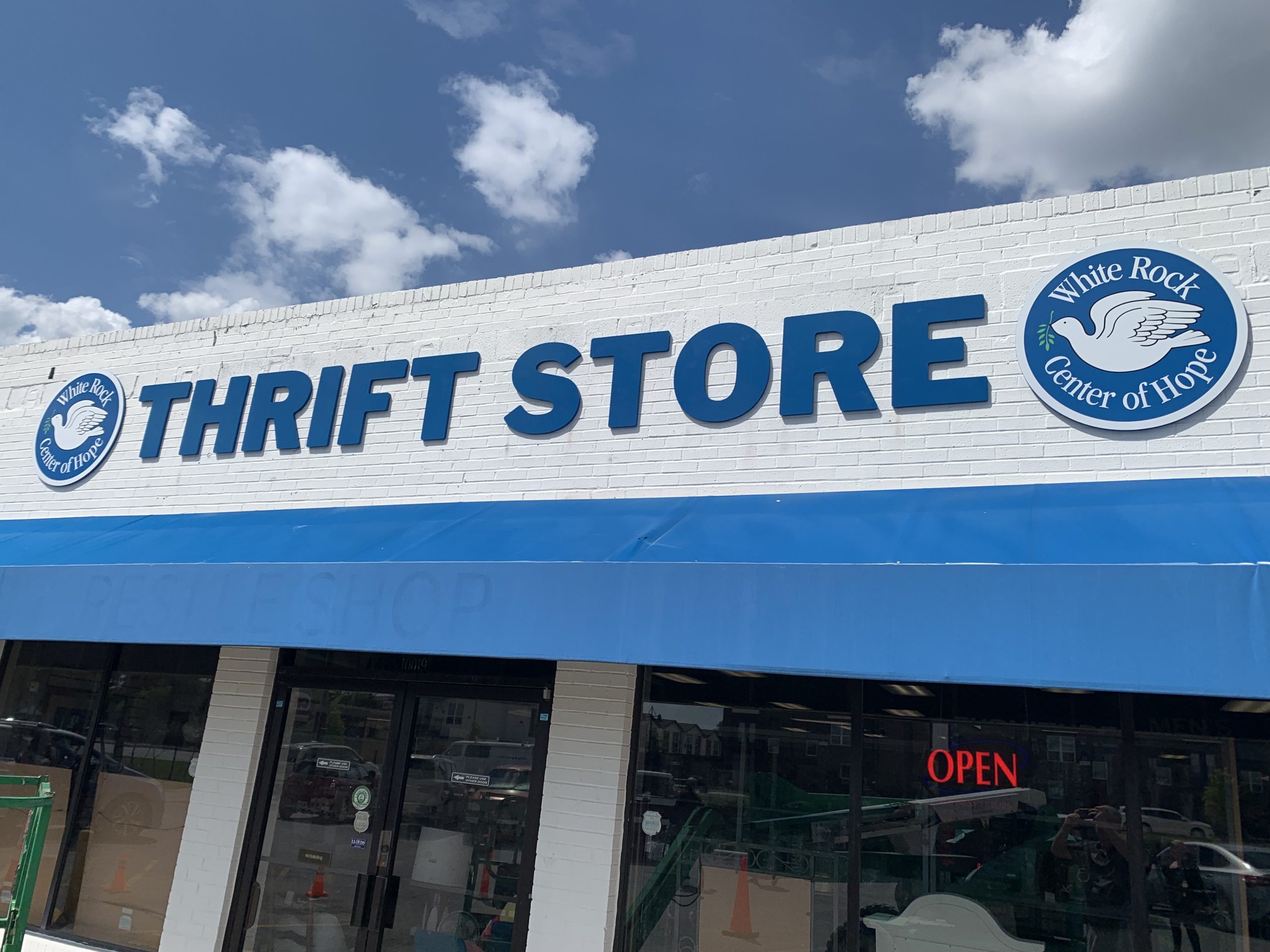
The Psychology Of Placement
Strategic signage placement leverages fundamental human psychology, enhancing brand visibility and awareness. It’s not merely about placing signs, the where, how, and what of your displays significantly impact customer recognition and long-term brand identity.
Cognitive Ease
- Begin by charting where people’s attention naturally stretches first. Research shows that signs placed at eye level, somewhere around 1.5 meters to 1.8 meters from the ground, are not only seen more often but remembered longer. The Psychology of Placement uses the “F-pattern.” They scan from the upper left, then across, then down the left. Signs at these locations attract more attention.
- Choose design elements that resonate with familiarity, such as your primary brand colors or a logo. Your brain likes to notice patterns and repeats, so if your signs look and feel identical everywhere, people create a mental shortcut to your brand.
- Keep the same writing style and graphics each time. Clean, large fonts and coordinating icons assist visitors in finding your sign quickly, even in a congested area.
- Don’t put a bunch of them too close together. Too much visual clutter means no sign will stick out. Less, well-positioned signage beats a lot of little signs.
Mere-Exposure
Place your effective signage in high traffic areas, such as bustling streets, bus stops, or front doors. Repeated exposure to a brand builds trust and increases customer recognition, making people more likely to select you again. Rotate your signs periodically, especially if you use digital signage, as this keeps things fresh and prevents potential customers from tuning out. Utilize your brand’s look and feel while changing the message or image. Map out a signage strategy for installing new signage or rotating old to ensure your brand remains top of mind without getting stale.
Environmental Cues
A sign should seem like it belongs, so effective signage should match your sign’s style to the location, using materials, colors, or shapes that reflect the building or neighborhood enhances brand visibility. This approach makes visitors feel welcome and trusting. Directing visitors through your space with strategic signage placement is crucial, for instance, point of purchase signs at checkout within eye level can trigger incremental sales. Textured signs or raised letters not only offer accessibility but also provide another level of brand engagement, ensuring a cohesive brand image without overfilling the space.
How Placement Builds Recognition
Strategic signage placement is a key engine for brand recognition, as it enables businesses to establish physical touch points that linger in customers’ consciousness. When effective signage is well-positioned, the brand becomes a recognized presence in the community and establishes credibility. Signage in high-traffic areas or at entrances can make tens of thousands of impressions every day, transforming what was just a sign into a lifelong brand asset. This is why It’s A Good Sign places heavy emphasis not just on how a sign looks, but where it lives. Placement becomes a long-term asset, not just a one-time visual.
1. Creating Landmarks
Unique signage can turn into local landmarks, enhancing brand visibility and making it easier for potential customers to recall your brands. A uniquely shaped or boldly colored sign attracts attention even in a bustling city landscape. Gradually, customers begin to associate these effective signage solutions with a particular location or business. This is particularly true in the vicinity of busy intersections or public transportation nodes, where frequency engrains the brand in memory. Word of mouth expands as folks use brand landmarks to provide directions, assisting foot traffic and increasing customer recognition.
2. Reinforcing Routes
Smart sign placement is about knowing how people flow. Brands that utilize effective signage can map customer journeys to key decision points, such as street corners, parking lots, or building entrances. Repeated graphics and messages along these paths steer customers and make the journey feel fluid. When customers encounter that same branding on business signage like exterior signs, directional markers, and fleet vehicles, they create an even stronger association with the business in their mind. Traffic data assists in perfecting the placement of these signs.
3. Increasing Frequency
Strategically positioned business signage designs by a strip center or a busy sidewalk guarantee customers exposure to a brand several times a week. This repetition builds brand awareness and recognition. Effective signage and new copy will attract both new and repeat visitors. Tracking how people engage with signage allows brands to refresh placements and maintain brand visibility.
4. Building Trust
Trust comes from encountering those familiar, dependable markers in all the right places. Quality signage and clean installs, along with updated messaging, professionalize the brand’s image. Reliability is in having every sign look and feel the same, which communicates to customers that this brand is solid. Fleet vehicles with matching wraps carry this trust on the road, enhancing brand visibility and touching more people.
5. Defining Territory
Signs enable a business to establish its presence in a community through effective signage. Outdoor signs can mark borders and identify where the business is located. When signs emphasize what makes the business special or communicate its mission, they strengthen the brand’s bond with the community, enhancing brand visibility and creating a positive impression that makes customers comfortable with belonging.
Key Factors In Placement Strategy
Thoughtful sign positioning, part of a strategic signage strategy, can influence how individuals perceive a brand and generate enduring awareness. Location consistency, knowing your reader, and local adaptation are all critical factors worth considering when planning effective signage placement.
- Viewing distance and legibility from all key angles
- Local demographic insights, including cultural relevance
- Competitive landscape and opportunities for differentiation
- Alignment with traffic patterns and footfall
- Consistency across all sites to build trust
- Quality, durability, and visual appeal of each sign
- Use of lighting for day and night visibility
- Gathering feedback and making data-driven adjustments
Traffic Patterns
| Location Type | Peak Foot Traffic | Best Visibility Time | Key Nearby Attractions |
| Urban Street Corner | 16:00-19:00 | Late Afternoon | Cafés, Transit Stops |
| Shopping Mall Entry | 12:00-15:00 | Midday | Food Courts, Restrooms |
| Transit Station Exit | 07:00-09:00 | Morning Rush | Offices, Markets |
Understanding when and where people travel enables effective signage placement for maximum exposure. Utilizing data analytics tools to track these flows allows you to adjust your signage strategy over time. Positioning signs near high-traffic entrances or popular stores can significantly enhance brand visibility. Aligning with trends, such as increased weekend traffic or seasonal tourists, can provide lasting value for your brand identity.
Viewing Distance
To achieve effective signage, it is essential to use large, easily legible typefaces and minimalistic graphics that enhance readability from a distance. Implementing a signage strategy that tests signs from various angles can help identify potential obstructions, such as poles or trees. If necessary, relocate signs to ensure they do not obstruct anything, while high contrast colors and bold text will enhance brand visibility, making sure customers notice your signage at any time.
Local Demographics
To make a difference, your business signage should reflect local tastes and values, ensuring effective signage resonates with the community. Incorporating symbols, colors, or language that locals relate to enhances brand awareness. Gathering input through surveys can inform your signage strategy, helping create custom signage that aligns with audience expectations and strengthens brand identity.
Competitive Landscape
Observe competitors’ sign placement and their effective signage strategies. Find opportunities to demonstrate what makes your brand different in those very spaces. Experiment with new shapes, colors, or words to differentiate and enhance your brand visibility.
Integrating Design with Location
Effective sign placement is a function of design and location, making business signage designs crucial for success. Each site has its own unique requirements, influenced by local regulations, day-to-day pedestrian flow, and even the design of surrounding structures. A site survey assists you in collecting specifics such as where the sun falls on a wall, how much foot traffic there is, and any restrictions from municipal codes. You have to look at the area’s culture so the sign will talk to the right people, enhancing brand visibility. For brands with lots of locations, maintaining a consistent appearance establishes reliability, whereas tailoring little details for each location allows the sign to blend in. Getting a permit can take weeks and requires a well-defined plan that aligns with regulations and local preferences.
Material Choice
Material involves a mix of design and location, particularly when considering effective signage. All signs in hot, sunny locations require UV blocking and fade-resistant finishes. They must withstand snow and ice without shattering in cold locations. Durable materials like aluminum and stainless steel are ideal, while acrylic suits a contemporary aesthetic. Wood provides warmth for rustic brands, and some choose recycled plastics or bamboo to indicate their concern for the environment, attracting eco-conscious consumers. The substance must endure, but it must suit the brand’s aesthetic, sleek for tech, rough for outdoor gear, or shiny for luxury. The right selection ensures that your business signage continues to look crisp and vibrant long after it has endured the elements.
The Lighting
Well-lit signage means that folks can see signs not just in the day, but anytime. Backlit panels cause words and logos to pop while spotlights can add drama or highlight specific information. LEDs are a hit because they consume less power and have a longer lifespan, which is great for both budgets and the environment. In certain locations, regulations restrict the luminosity of a sign or its operational hours, so it’s prudent to verify these aspects prior to installation. Lights shouldn’t fight the brand’s vibe, warm glows suit intimate boutiques, and bright sharp lights suit sleek, contemporary business signage. Illuminated signs enhance brand visibility and create a feeling of safety, which helps attract pedestrian traffic.
Proportional Surface Layout
Another thing, sign size counts when it comes to effective signage. Too large, and it can overcrowd the site or conflict with surrounding structures, while too tiny means potential customers walk past without seeing it. The perfect sign complements the storefront and is conveniently legible from a secure distance, particularly in congested locations. Designers will often employ mock-ups to test sight lines and ensure the sign is located where most people will see it, whether they are drivers on a busy road or passersby on a narrow street. The ratio is important too for signs in common spaces, such as malls, where consistent signage keeps the place looking clean. Digital tools now allow brands to refresh and verify signage solutions in real time, at scale, across many locations.
Avoiding Common Placement Pitfalls
Brands escape their sign placements like everything else in visual culture. Effective signage is crucial, as too many brands stumble into easily avoidable pitfalls that dilute their power. Understanding these pitfalls and implementing a cohesive signage strategy can help brands maintain message clarity and increase memorability.
- Failing to scout out obstructions such as trees, buildings, or other signs that block the view.
- Disregarding local regulations or required permits exposes you to fines or eviction.
- Using too many styles or messages, causing confusion
- Failing to update signs for seasons or big events
- Ignoring the market research and missing the audience’s wants or needs.
- Not checking sightlines or lighting makes signs hard to see.
- Letting signs get worn or dirty, which hurts credibility
- Skipping reviews of performance data, missing chances to improve
- Not leveraging technology, such as beacons, to direct foot traffic or measure engagement.
Visual Clutter
Busy signals become noise, especially when there is too much clutter with logos, words, and pictures, it’s simply distracting. Brands should commit to effective signage by focusing on one key thought per sign and trimming the fat. Easy-to-read type and clean layouts allow passersby to absorb the message without halting. High-traffic spots need special care, as too many signs in one place can cause overload, making people tune out. Updating signage solutions eliminates outdated or unnecessary information, keeping things fresh and straightforward to read.
Poor Visibility
Your business signage needs to pop from a distance and up close, which involves effective signage that considers sightlines from all directions and at all times of day. Blocked signs by trees, other signs, and new buildings aren’t worth as much. Bold colors and simple fonts enhance legibility, particularly in bad weather or low light, while consistent signage maintenance ensures signs never look neglected.
Regulatory Issues
Local rules change quickly, even city by city. Brands that bypass research face fines and potential sign removal. To ensure effective signage, be sure to get the appropriate permits and find out how long they last. Laws can change with new developments or local happenings, so keeping in contact with city leaders helps you avoid surprises. When in doubt, seek counsel prior to putting up any new signage solution.
Inconsistent Branding
Customers notice when branding lacks cohesion. All business signage should maintain consistent branding through the same color, logo, and voice, enabling brand visibility at a glance. Regular checks can identify mismatches in signage design or outdated displays. Staff must understand the importance of effective signage, as even one off-brand sign can undermine all other branding efforts.

Measuring Placement Success
Measuring what worked with effective signage begins with actual numbers. Great sign placement goes beyond simply placing a logo on a wall, it involves a thoughtful signage strategy. To determine if a sign aids in brand recall, you must analyze foot traffic, inquire about memory retention, monitor online discussions, and utilize data to refine ineffective elements. This process evaluates each approach to assist brands in identifying what is effective and what needs adjustment.
The Foot Traffic
To actually track how many people walk into or past a store is one of the best ways to determine if a sign is effective signage. For example, putting up a new sign and experiencing a 30% increase in three weeks of foot traffic is a good indication that the placement is powerful. Counters or heat maps make it easier to identify peak times and determine if your modifications in sign size, height, or illumination increase foot traffic. When a sign is visible at night, you can count on it to continue pulling in traffic, even after dark. This makes it very important for late-night businesses. Interactivity, such as QR codes or touchscreens, can aid in measuring placement success, providing additional insight into customer recognition and traffic. These insights assist brands in knowing where to place their business signage for maximum impact and when to rotate or change them out, like during major events or holidays.
Brand Recall Surveys
Simply asking people, “How did you first hear about us?” is a quick check to see if the sign does. Surveys provide information on what percentage remembers the sign and whether the message resonates. Generally, if the sign’s message is five words or less, recall scores increase.
| Survey Question | Recall Rate | Audience Segment |
| Saw Sign at Storefront | 54% | General Public |
| Noticed Sign at Night | 22% | Evening Shoppers |
| Used QR Code on Signage | 15% | Tech-Savvy Customers |
Short surveys provide direction on which groups notice the sign most, such as younger people seeing digital signs or older shoppers traditional ones. When recall rates drop, it’s time to rethink the design, move the sign, or make it more interactive.
Digital Mentions
Online buzz is another means to measure if the placement is successful. Monitoring for brand mentions on social media or in reviews assists in measuring how customers discuss and share their experience with the effective signage. A bump in digital mentions shortly after a new sign goes up indicates it is being seen. Brands can use this feedback to tweak the sign, add event-based messages, or highlight key promotions through strategic signage. Great reviews or pictures can be posted in advertising or online, amplifying exposure. Observing negative comments can help you identify problems such as weak presence or unclear messaging, allowing brands to make rapid corrections.
Final Remarks
It’s A Good Sign knows that strategic sign placement isn’t accidental, it’s planned, tested, and refined. Strategic sign placement gives brands a real advantage. Great trust symbols are long-lasting. By putting them in high-traffic locations and using bold shapes and colors, it gets people to notice the brand more frequently. Smart design and clever location collaborate to make every sign effective. Even minor changes, such as improved lighting or more obvious wording, can increase recognition over time. Trying out various locations and monitoring the response keeps it interesting. Brands that keep signs fresh and in the right spot get more value for their investment. To keep up, brands need to audit their sign strategy regularly. Test different locations, quantify what gains traction, and keep signage simple and visible.
At It’s A Good Sign, we believe visibility is earned through strategy, and great placement is where brand memory begins.
Frequently Asked Questions
1. What Is Strategic Sign Placement?
Strategic signage placement focuses on positioning signs to effectively reach potential customers. This maximizes exposure and reinforces brand visibility in people’s memories.
2. How Does Sign Placement Influence Brand Recognition?
Effective signage placement enhances brand exposure, the more potential customers see your business signage, the more likely they are to remember your brand over time.
3. What Factors Should I Consider In A Sign Placement Strategy?
Consider factors like exposure, target audience traffic, illumination, and potential distractions. These elements contribute to effective signage that stands out and reaches prospective customers.
4. Why Is Integrating Design With Location Important?
Tailoring the sign’s look to its environment creates effective signage that is both subtle and powerful. A thoughtful sign in the perfect location enhances long-term brand visibility.
5. How Can I Avoid Common Sign Placement Mistakes?
Ensure effective signage is placed in clear locations, allowing for legible branding from various angles and distances, even in different lighting conditions.
Stand Out And Build Trust With Exterior Signage For Businesses
Your exterior signage is often the first point of contact with potential customers. A well designed sign does more than show your name, it sets expectations, strengthens your brand, and helps people feel confident choosing your business. When your signage is clear, visible, and professionally executed, it works around the clock to bring in customers.
At It’s A Good Sign, our team brings more than 30 years of experience to exterior signage for businesses. We handle everything from installation and permitting to repair, and we do it with careful planning, clear communication, and skilled craftsmanship. Whether you’re updating your storefront, adding new exterior signs, or fixing worn or damaged signage, we make the process simple and reliable.
We take care of the details that often slow business owners down. This includes accurate measurements, safe installation, city code compliance, and repairs that protect the appearance and lifespan of your sign. You get clean, professional results that reflect your brand the right way.
Your exterior signage is an investment in visibility and customer trust. Keep it working at its best with a team that understands what businesses need and delivers quality every time.
Ready to upgrade, repair, or install new exterior signage? Contact It’s A Good Sign today.
Disclaimer
The materials provided on this website are for informational and entertainment purposes only and are not intended to serve as professional advice. You should consult a qualified professional for advice specific to your unique circumstances or needs. Do not act or refrain from acting based on the content on this website without seeking appropriate guidance from an expert in the relevant field.
The information presented here may not reflect the latest developments in signage, design, or related industries. We disclaim all liability for any actions taken or not taken based on the content of this website to the fullest extent permitted by law.