
The real cost of bad sign maintenance is expensive repair bills, safety hazards, and abandoned user trust. Signs that fade, break, or go missing can cause accidents, clog traffic, or confuse folks at public venues and in the office. Both corporate and city planners frequently discover that repairing damage once it has occurred is more time-consuming and costly than routine maintenance. These issues can manifest as delays, legal problems, or even fines when you fall afoul of regulations. To ensure signs remain functional and up to code, regular inspections and minor repairs, such as cleaning or replacing damaged components, prevent major issues. The post’s main body will deconstruct these costs and provide tips for smarter maintenance.
Key Takeaways
- The hidden price of bad sign maintenance and how to fix it
- Attack sign repair costs before they happen with immediate fixes, scheduled inspections, and sign maintenance budget resources.
- Signage that’s in good shape enhances the brand, promotes customer trust and image, community favor, and employee morale, all important to long-term business viability.
- Solid maintenance plans consist of checklists, schedules, and logbooks, all of which make it easier to provide consistent care and train staff.
- By embracing a process-driven approach to sign care, business owners not only stay in compliance with local ordinances but also boost digital presence by delivering better in-person experiences reflected online.
- Not only does it guarantee the job is done correctly, but it also reduces risk and maintains quality levels for your business signage.
The Financial Impact of Neglect
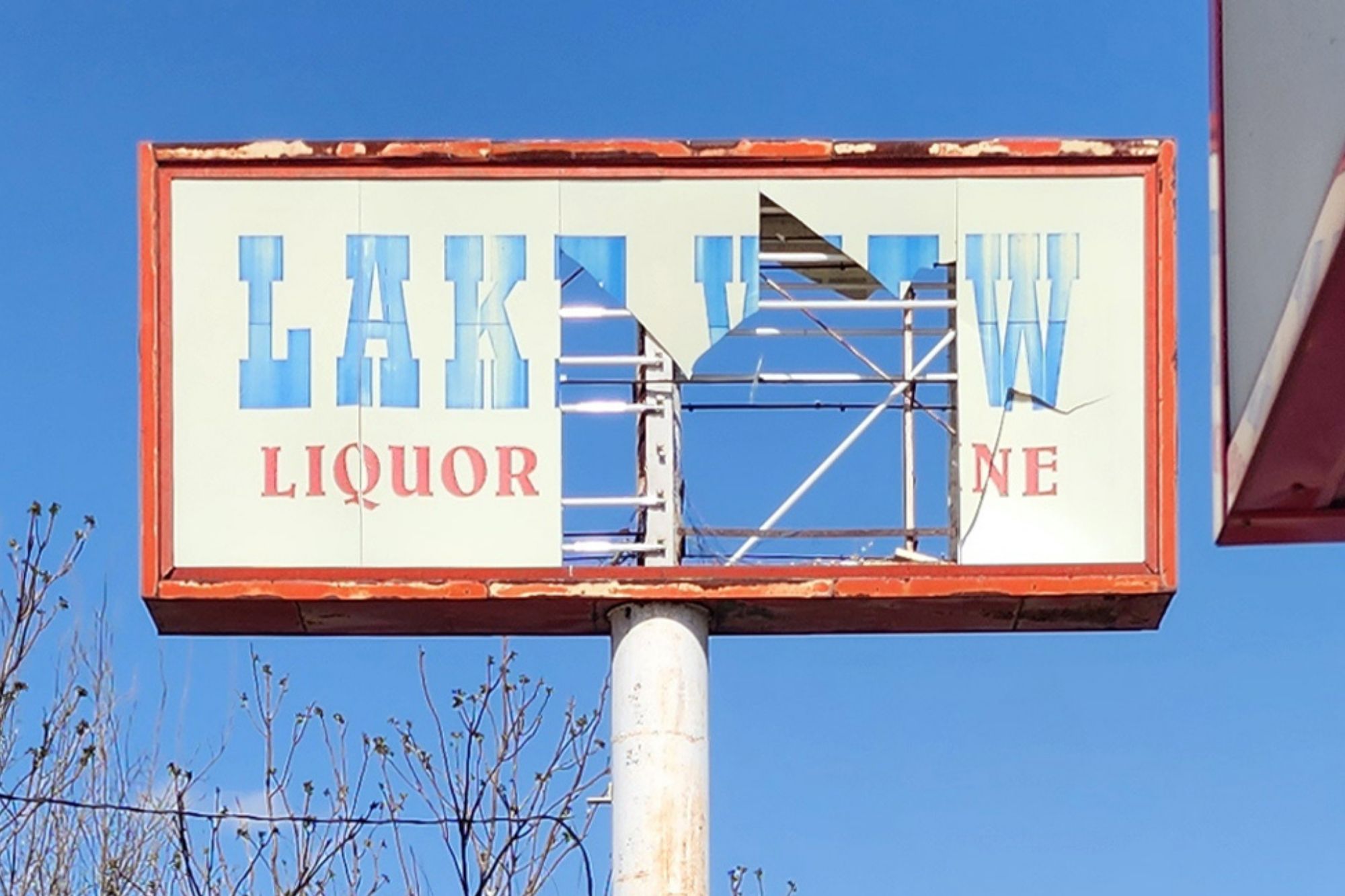
Neglecting sign upkeep activates a spectrum of financial consequences, including increased maintenance costs and potential issues with ineffective signage. It’s not just repair bills that accrue; they ripple into lost revenue, regulatory fines, and damage to brand image, highlighting the importance of a proactive maintenance approach to avoid costly repairs.
1. Direct Repairs
Repair costs can add up fast, especially when considering sign installation mistakes that lead to higher expenses. Repairing broken lights, repainting faded panels, or replacing sign frames often costs significantly more when ignored. Research reveals that such reactive repairs can be three to five times more expensive than regular maintenance practices. Delays compound the problem, as a small crack or bad wire can continue to spread, causing unsafe warning signs or electrical fires. Business grinds to a halt when fixes are a dire emergency, and customers might view a business as sloppy if the signs are broken for a long time. Maintaining a repair log not only helps you keep a handle on what you’re spending, but it also aids in identifying trends, improving reliability, and avoiding future shocks a bit easier.
2. Lost Revenue
Bad signs translate to fewer people seeing a business, emphasizing the importance of a strategic signage program. If a sign is washed out or illegible, new customers will stroll on by, leading to missed sales that are difficult to quantify. Comparing pre- and post-upgrade sales data can highlight the impact of improved reliability. One retail chain experienced a 15% increase immediately after repairing its damaged marquee, demonstrating the significance of visibility and proper sign installation.
3. Legal Fines
Local ordinances typically impose stringent sign regulations regarding illumination, location, and safety, especially for traffic signs. Non-compliance can lead to heavy fines or shutdown, as many companies have faced penalties for sidewalk-blocking signs or those that are too large. To avoid costly signage mistakes, it is crucial to remain current with regulations. Developing a proactive maintenance program to check laws and rapidly repair problems is often a better business investment than the fines and worries you forego.
4. Insurance Premiums
Insurance agencies review all hazards, such as damaged or unsafe signs, which can lead to costly repairs and increased premiums. Implementing a strategic signage program ensures that businesses with well-maintained signs benefit from lower insurance costs. Proactive maintenance practices, like routine checkups, can significantly reduce maintenance costs and enhance the reliability of signage, ultimately protecting brand image and safety.
5. Brand Reputation Impact
Neglected signage damages brand image, as cracked or dirty signs indicate poor maintenance practices and shake customer confidence. Implementing a strategic signage program with proactive maintenance can help identify potential issues early and save on costly repairs.
The Unseen Ripple Effects
Business signs are something you don’t really think about until something goes wrong, especially when considering the sign installation and maintenance costs involved. The ripple effects extend well beyond aesthetics, as a strategic signage program can significantly enhance your brand image. Signs serve as a first impression and a statement of business standards, influencing how your community, employees, and online audience interact with and remember your brand.
Community Perception
A faded, crooked, or broken sign isn’t just an eyesore; it whispers neglect and carelessness. Both community surveys and online forums demonstrate that individuals detect these nuances and rate companies accordingly. Social media posts of ineffective signage go viral, creating a negative feedback loop. Neat signs show care for the community and attract more pedestrians, improving reliability. Businesses that keep their signs in good condition attract more positive attention at local affairs, cementing their reputation for dependability. By collaborating with local groups to maintain their signage program, businesses demonstrate they care about the community, cultivating enduring goodwill.
Employee Morale
The unseen ripple effects of a strategic signage program can significantly impact employees’ sense of their workplace. Clean, well-lit signs enhance brand image and give employees pride, reminding them that their employer cares about quality. Conversely, broken or outdated signage can deflate morale as if employees are being forgotten. Involving staff in light maintenance, such as issue reporting or helping with seasonal updates, fosters team spirit and ownership. Purposeful signage also promotes safety by directing employees and visitors, minimizing misunderstandings, and preventing workplace injuries.
Digital Footprint
Bad signage not only damages curb appeal, but it also affects your brand image. Customers take to platforms like Google to broadcast initial impressions, and a run-down sign can translate into bad ratings or photos that stick around forever. Featuring new signage updates on social media helps combat bad word of mouth and demonstrates a dedication to quality. By sharing before-and-after shots and proactive maintenance stories, businesses like It’s A Good Sign can connect with their audience. Keeping an eye on online chatter allows businesses to respond promptly, transforming potential issues into valuable outreach opportunities.
Business Health
Physical signage is intimately connected to business vitality. Weather, sun, and everyday use all work to wear signs down, so a proactive maintenance approach, including regular inspections, is a good investment. Safely mounted and maintained signs don’t just keep your business looking professional; they also enhance your brand image by preventing costly repairs and ensuring reliability. Selecting the proper colors and substrate for each season ensures that your signage remains professional-looking and seasonally appropriate throughout the year. Overlooking these issues ends up costing far more in lost income and restoration than consistent maintenance could.
Why Maintenance Fails
Maintenance fails for a lot of reasons, often stemming from a combination of expense, scheduling, and the psychology of signage. Many companies trim maintenance costs from their budgets first, considering it a low priority. They fail to realize that a broken or unreadable sign can be much more expensive due to lost business or safety concerns. When budgets are tight, routine care gets deferred, which usually translates into more money later when minor issues escalate into major ones.
Another reason for maintenance failures is the lack of awareness regarding the importance of a signage program that emphasizes regular sign care. Most teams do not connect the dots between a clean, well-lit sign and the trust or safety of customers. This gap in understanding allows signs to remain neglected, without maintenance checks, cleaning, or repairs. For instance, a forgotten piece of pipe hanging off an unused sign is maintained as poorly as a faded sign that is no longer effective.
Reactive maintenance poses another challenge. Many businesses wait for a breakdown to address issues, which is a more expensive approach. Energy consumption can increase by 30 to 60 percent with unmaintained equipment, whether it’s an illuminated sign or a digital display. By only repairing what is broken, businesses like It’s A Good Sign miss the chance to identify minor defects early, which could prevent more significant damage and costly repairs.
There is also a misconception about the durability of signs. Some believe that once a sign is posted, it will remain intact for years without attention. In reality, all sign materials require regular inspection and a proactive maintenance schedule to prevent premature deterioration. If maintenance checks are skipped for 12 to 18 months, costs can escalate significantly, especially without proper safeguards like a Lock Out Tag Out program.
Finally, time pressure can lead to poor maintenance practices. When employees are rushed to complete tasks, they may cut corners, skip essential steps, or hire unskilled labor. This is particularly detrimental in locations that require skilled maintenance, such as those with electrical components or digital signage. A proactive approach to maintenance can mitigate these pitfalls and improve overall reliability.
The Proactive Solution
A proactive approach to sign maintenance focuses on prevention rather than reaction, which helps minimize maintenance costs and potential issues like costly repairs. By scheduling inspections and making immediate fixes, businesses can maintain a sign’s fresh appearance and enhance their brand image, ensuring effective signage installation.
Developing a strategic signage program that includes a long-term budget for maintenance activities is essential. This plan should account for the right sign maintenance practices and include guidance on common sign installation mistakes, ensuring improved reliability and reducing the risk of structural failures.
- Be sure to consider all sign types and locations when customizing the plan.
- Plan inspection cycles to maintain one to five a year, depending on sign materials and exposure.
- Tackle what’s on display first. Repair the obvious stuff now before it turns into a bigger monster.
- Allocate a budget specifically for sign care and emergencies.
- Inform crew of the importance of neat signage to the company image and safety.
- Regular washes with mild detergent and a nozzle sprayer, not harsh chemicals or pressure washes.
- Record repairs and maintenance to predict future needs and costs.
Scheduled Inspections
Your maintenance checklist should cover cleaning, electrical checks, and inspections of surfaces for cracks or fading, as well as mount points to ensure that they are secure. Implementing a signage program with designated roles for these checks prevents warning signs from going unchecked or overlooked. Consult the checklist each time to ensure nothing slips through the cracks, from lighting to sanitation. Note each inspection in a log, including what you found, what you repaired, and what needs work. This history helps anticipate potential issues and where they might pop up next.
Immediate Fixes
Establish a quick reporting system for staff to share problems, like a digital form or message group. Educate everyone to identify issues like burnout, broken or missing letters, or flickering lights, ensuring they know when to act fast. A lean crew on call for emergency repairs reduces downtime and maintains the brand image of the signs. Additionally, inventory essential supplies, such as bulbs and cleaning fluid, on location for swift maintenance practices and to prevent waiting on deliveries.
Long-Term Budgeting
Create a sign maintenance budget based on historical repair costs and anticipated needs, including potential issues like storm damage or sudden failures. Regularly check these expenses to identify patterns, such as a particular traffic sign requiring frequent repairs. Annually, compare the budget with actual sign conditions and revise it to ensure your proactive maintenance plan remains effective.
Create Your Maintenance Plan
An effective maintenance plan is necessary for any business that appreciates asset dependability and expense management. Maintenance expenses are usually a manifestation of deeper operational decisions. If you’re reactive, it’s going to cost a lot and be risky. Proactive planning increases productivity, extends asset life, and conserves energy while promoting a safe environment.
Do’s and Don’ts of Sign Maintenance Strategies:
Do:
- Involve multiple team members when planning.
- Set clear, measurable goals and review progress.
- Update the plan regularly to meet changing needs.
- Use data to identify issues and improve practices.
Don’t:
- Wait for reactive maintenance, it costs three to five times more.
- Ignore feedback from those performing maintenance.
- Overlook training, ensure new staff know proper care.
- Disregard seasonal or operational shifts when scheduling.
The Checklist
- Wash all sign faces and clear them of grime, rubbish, or tagging.
- Check structural integrity: fasteners, supports, and frames.
- Inspect lighting: bulbs, wiring, and timers for function and safety.
- Test visibility from all key viewing angles.
- Review the sign content for clarity and damage.
- Check for weather impact or corrosion, particularly in humid areas.
Distribute this checklist to any staff involved in the signage program. Take it as a checklist so each job gets done regularly, ensuring proactive maintenance. Hand new employees the checklist during training and make signing the care part of SOP.
The Schedule
Your maintenance plan should specify when each type of inspection will occur, from weekly cleaning to quarterly structural reviews. Scheduling has to be outside of business hours to minimize disruptions and keep your business in front of customers. Distribute the schedule broadly so the entire team is aware of what is on deck.
Adjust the cleaning schedule to your seasonal needs. For example, increase cleaning frequency during rainy months. Review and tweak as business operations shift or team feedback identifies new priorities. It could be as long as 18 months before you reach a sustainable, proactive plan, but the gains in productivity, up to 35 percent without increasing headcount, are worth the effort.
The Logbook
Logbook every maintenance activity, dates, who did what, and what they discovered. This history aids in identifying trends such as serial lighting malfunctions or rusting of the mount. Utilize it to guide future updates and communicate insights to stakeholders, demonstrating dedication to maintenance and compliance.
A comprehensive logbook can identify trends, assist with preventative maintenance, and justify investments that prolong asset life and minimize costs. It aids in demonstrating due diligence for safety and regulatory audits.
When To Call Professionals
Sign maintenance gets tricky when age, materials, or repairs extend beyond sprucing or tightening. For signs 15 years or older, the hidden wear potential is great, leading to increased maintenance costs. Rust, fading, and loose fixtures abound, making these vintage signs typically require more than simple patching. If you notice cracks, peeling, or unstable frames, it is time to call in a professional for an inspection. A lot of signage these days consists of vinyl prints or lettering applied to painted wood that can peel, bubble, or fade faster than metal or engraved materials. Repairing such problems is not always simple; color matching, edge sealing, and vinyl application require equipment and expertise that most folks don’t possess.
Repairs that involve wiring or lighting should not be a DIY project. Flickering or burned-out lights aren’t just a bulb change. They can signal underlying electrical issues that are a fire hazard if disregarded or improperly addressed. Monthly clean and quarterly checks work, but any sign displaying lighting defects requires an experienced electrician familiar with sign systems. The same is true when plaques come loose. Signs with metal plaques or raised hobbing that dangle or fall off can drop down and injure individuals or destroy objects. Professionals are the only ones with the right tools and hardware to mount plaques so they stay secure for years.
Safety is a big concern. Signs tend to be elevated above ground or on bustling roadways. Trying to secure loose bolts, touch up paint, or replace panels at height is dangerous without the appropriate equipment. Professionals have ladders, lifts, and safety harnesses. They know how to hustle in traffic or bad weather. This minimizes the risk of harm and guarantees that the work is completed safely and properly.
Working up a rapport with a dependable sign service, like It’s A Good Sign, makes upkeep simpler. When signs are inspected annually or even as often as every six to 12 months, potential issues can be identified and repaired before they deteriorate. Trusted vendors return emergency calls promptly after storms or graffiti and maintain a history of previous fixes. This proactive approach allows you to plan and sidestep massive expenses.
Final Remarks
Proper sign maintenance is cost-effective, efficient, and important. Neglecting inspections results in increased expenses and diminished confidence. Many businesses skip sign care due to tight budgets or a lack of staff. Simple steps and routine checks go a long way. A simple schedule with predetermined times works best. For hard tasks, bring in a professional. Little things, like faded paint or loose bolts, become big trouble quickly. One overlooked repair can impede a job, injure someone, or become very expensive. Look at signs frequently, repair minor issues immediately, and call for assistance if something seems amiss. Lay the groundwork today, protect your space, and eliminate danger before it takes root.
Frequently Asked Questions
1. What Are The Main Financial Risks Of Poor Sign Maintenance?
Neglected signs can lead to costly repairs and compliance fines, ultimately harming your brand image and reliability. Thus, investing in a proactive maintenance program is essential for effective signage management.
2. How Can Poor Sign Maintenance Affect Safety?
Bad signage can lead to crashes and chaos, jeopardizing staff and visitors while raising liability for your brand image.
3. Why Do Many Businesses Ignore Sign Maintenance?
Busy store managers often overlook the importance of a strategic signage program, not realizing that neglecting sign maintenance can lead to costly repairs and affect their brand image.
4. What Are Some Early Signs That A Sign Needs Maintenance?
Fading colors, flickering lights, and missing letters are obvious indicators of potential issues in your signage program. Catching these problems early can help you avoid costly repairs down the road.
5. How Often Should Signs Be Inspected?
Check traffic signs a minimum of twice a year; this proactive maintenance helps in early detection and preservation.
Stand Out And Build Trust With Expert Sign Installation, Permitting, And Repair
Your business signage is often the first thing people notice. The right sign doesn’t just display your name, it sets the tone, builds credibility, and helps customers feel confident before they ever walk through your door. From storefront signs to interior branding, quality signage keeps your business visible, welcoming, and compliant.
At It’s A Good Sign, we bring over 30 years of experience to every project. Our team handles sign installation, permitting, and repair with precision, clear communication, and skilled craftsmanship. Whether you need a new sign installed, help navigating city permit requirements, or fast repairs to keep your signage looking sharp, we’re your trusted partner from start to finish.
We manage the details that business owners often find stressful. This includes accurate measurements, safe installation, city code compliance, and repairs that protect both the look and lifespan of your sign. You get a smooth process and results that reflect your brand at its best.
Your sign is an investment in visibility and customer confidence. Keep it looking great and performing well with support from a signage team that knows the industry inside and out.
Ready to upgrade, fix, or install your next sign? Contact It’s A Good Sign today.
Disclaimer The materials provided on this website are for informational and entertainment purposes only and are not intended to serve as professional advice. You should consult a qualified professional for advice specific to your unique circumstances or needs. Do not act or refrain from acting based on the content on this website without seeking appropriate guidance from an expert in the relevant field.
The information presented here may not reflect the latest developments in signage, design, or related industries. We disclaim all liability for any actions taken or not taken based on the content of this website to the fullest extent permitted by law.