
Business owners in Texas require a sign permit to install most permanent signs, indoor or outdoor, for commercial purposes. Local restrictions frequently regulate the size, shape, and location of business signs, and these vary from municipality to municipality. Not all signs require a permit, but the majority of them do, such as storefront or roadside advertisements. Regulations seek to promote safe streets, regulate the city’s aesthetic, and ensure that signs do not obstruct views or become hazardous. If you want to avoid fines, owners should check with city offices or state websites before putting up signs. The following sections detail the types of signs requiring permits, what paperwork to obtain, and how to proceed to remain compliant with Texas laws.
Key Takeaways
- With sign regulations, safety standards, and community expectations differing greatly from one Texas municipality to the next, business owners need to know and adhere to local sign permit laws.
- Not having the appropriate permits can lead to fines, removal, brand damage, and expensive legal battles that interfere with your business.
- Early consultation with local permitting offices and It’s A Good Sign is vital to pinpoint legal requirements, obtain accurate documentation, and bypass common application mistakes.
- By paying close attention to sign design, safety, and site placement, including applicable zoning laws and historic district regulations, you’ll have a better chance of sign permit approval and community acceptance.
- Leveraging modern signage solutions like digital displays, monument signs, and awning graphics can enhance your business’s visibility. All types must adhere to regulations to prevent compliance problems.
- Maintaining professional, compliant signage not only safeguards against regulatory risks but bolsters business credibility, enhances customer confidence, and fosters enduring brand reputation.
Understanding Texas Sign Permits
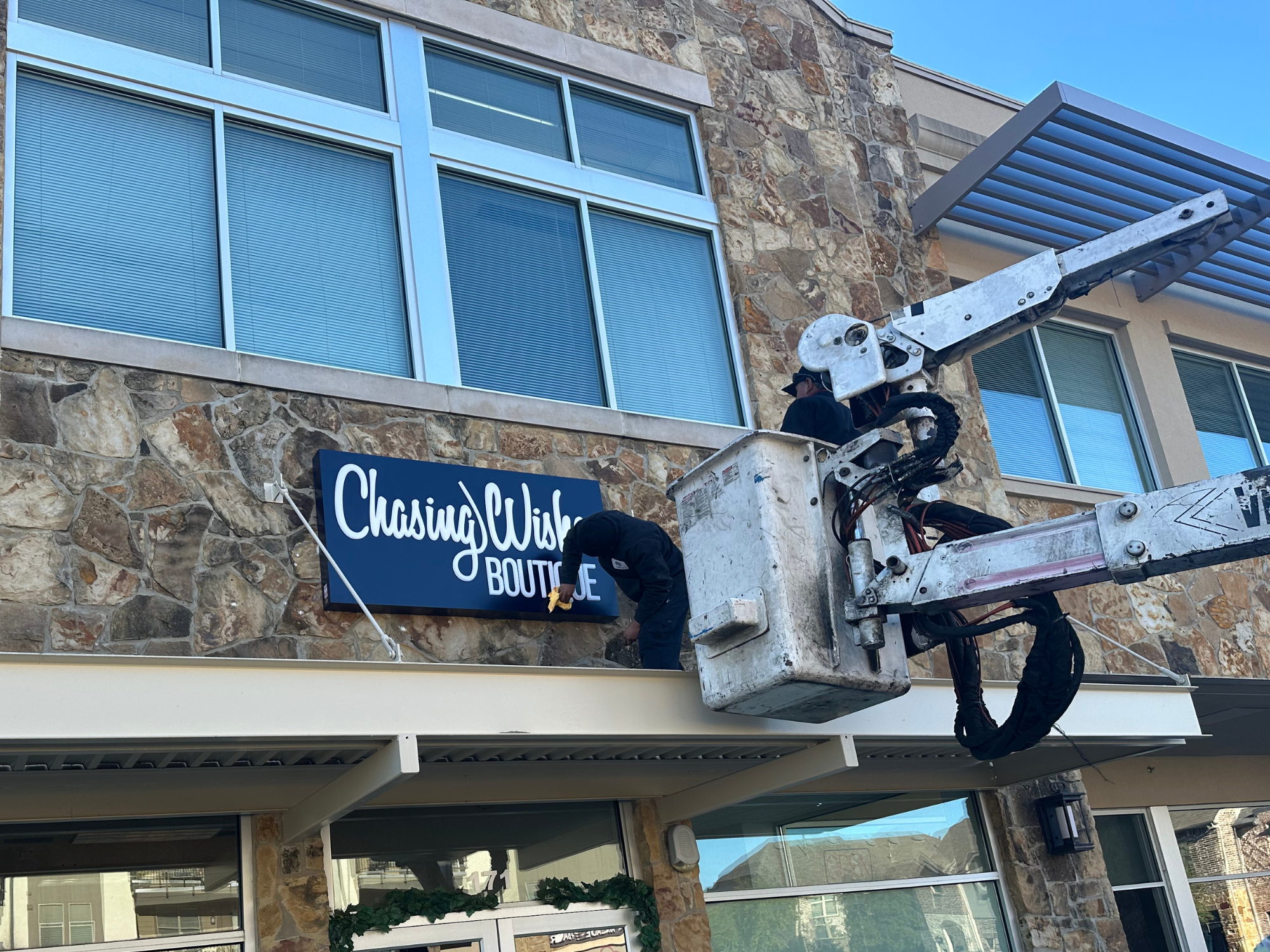
In Texas, business signage is governed by a layered legal structure involving state agencies, municipal codes, and county-level zoning, all of which influence the sign permit process. The type of sign, its location, and the neighborhood can dictate the specific compliance standards and permit applications required. Business owners should carefully review local regulations to ensure their signage complies with unique city requirements before installation.
| Type Of Sign | Permit Required | Typical Authority | Notes |
| Freestanding (monument, pole) | Yes | City/County | Size, height, and placement restrictions apply |
| Wall or Building-Mounted | Yes | City/Municipal | Design and materials may be regulated |
| Window Sign | Sometimes | City/Municipal | Exemptions for small, temporary signs |
| Digital/EMCs | Yes | TxDOT/City | Brightness, animation, and timing limits |
| Temporary/Banner | Sometimes | City | Duration and frequency restrictions |
| Historic District | Yes | Historic Board | Strict design/materials/placement guidelines |
1. The Legal Mandate
Texas’s sign law is not centralized, and understanding business signage regulations is essential for compliance. The Texas Department of Transportation controls outdoor advertising signs along highways, particularly digital and electronic message centers, limiting brightness and animation to minimize driver distraction. Municipalities like Dallas have their own codes covering everything from the sign permit application process to design standards. Enforced by local governments, they issue permits and perform inspections. Business owners in historic districts face even tighter controls, often requiring board approval on materials and placement. Non-compliance can lead to steep fines, legal notices, or forced removal of installed signs.
2. The Safety Factor
Safety directs every stage of the sign permit process. Unsafe signs, whether weak, poorly lit, or improperly installed, can collapse, block sightlines, or distract drivers. City inspectors verify that business signage is securely mounted and wind-resistant, as well as electrically safe for illuminated or digital signs. Typical violations include signs too near an intersection or constructed of non-approved materials. Permits are refused if safety is not achieved, and ongoing compliance monitoring can spark enforcement action. It’s A Good Sign ensures every installation meets safety and engineering standards from start to finish.
3. The Community Standard
Communities dictate what’s permissible for business signage. In other Texas neighborhoods, signs may have to camouflage behind historical facades or satisfy style standards established by neighborhood boards. Generally, oversized or brightly lit commercial signs are rejected in residential or historic zones. Businesses that honor local design sense, colors, and language form better customer bonds. Following community standards does not draw complaints and can make a business appear more approachable and trustworthy. It’s A Good Sign helps businesses achieve compliance while creating designs that fit the character of the area.
4. The Business Credibility
Proper business signage says professional. Businesses compliant with local sign permit applications are perceived as trustworthy and dependable. Thoughtful, legitimate signage establishes credibility. Customers are more inclined to come see and spread the word about an establishment with attractive, appropriate signage. Reliable, on-code signage aids branding and provides a distinct, cohesive appearance. Having the right permits helps smooth over disagreements and demonstrates legitimate standing if problems come up. It’s A Good Sign works with you to make sure every sign strengthens your brand reputation.
The Real Cost Of Non-Compliance
Non-compliance with signage regulations in Texas carries more than just a warning for business signage. Business owners confront a blended risk of financial, operational, and reputational issues, including fines and lawsuits, which can harm their brand. It’s A Good Sign helps you prevent these problems by ensuring your signage meets every requirement before installation.
Non-Compliance Fees
Signage violation fines are no trivial matter. Cities can fine you for unpermitted, oversized, or inappropriately placed commercial signs. For instance, certain municipalities levy fines of up to a few thousand USD per infraction, with subsequent violations incurring increased fees. The city can charge for multiple inspections or enforcement visits, which can strain budgets. Certain municipalities levy fines of up to a few thousand USD per infraction, with subsequent violations increasing. Investing in compliance up front with It’s A Good Sign is often cheaper than dealing with ongoing fines and mandated modifications.
Forced Removal
Governments can legally require non-compliant business signage to be taken down. This process typically operates on short timelines, providing sign owners with minimal time to adjust. Forced removal can disrupt your operations, halt your branding efforts, and confuse your customers. Businesses must cover the costs of removal and potential redesign of commercial signs, which could involve new materials or design work. This expensive cycle affects both hard costs and opportunity time. BIt’s A Good Sign helps avoid these issues with correct permitting, documentation, and installation.
Brand Damage
Non-compliant business signage can damage a business’s reputation. Customers observe absent, slapped-together, or poorly produced signs, which can indicate unreliability or carelessness. In the long run, this frustrates trust and impedes customer retention. Professional, compliant signage from It’s A Good Sign shows you care and can be relied upon. Brand damage doesn’t just stay on the sign; it commonly extends to the whole business, particularly in crowded, competitive markets.
Legal Disputes
Signage non-compliance can lead to legal problems, especially when it comes to commercial signage that obstructs public spaces or breaches local ordinances. Legal action means court fees, potential settlements, and hours of paperwork or conference room time. This time is better spent growing the business. By ensuring compliance, It’s A Good Sign minimizes the potential for disputes and keeps your business focused on growth.
Navigating The Permit Labyrinth
Obtaining a business sign permit in Texas varies by city, sign type, size, and zoning. Non-compliance can lead to costly delays or fines. Below, the core stages of the permit process are outlined for clarity, all of which It’s A Good Sign can help you with.
- Begin by researching. It’s A Good Sign will identify which permitting office applies to your business location. Find out about permit types: wall signs, monument signs, and banners; each has different criteria.
- Then have a preliminary meeting with local permitting officials. This step helps you identify clear guidelines, zoning ordinances, and potential restrictions for your project.
- Prepare designs and documentation. It’s A Good Sign handles scale drawings, structural details, and site plans.
- File your application with the accompanying paperwork and take care to hit posted deadlines.
- Keep a close eye on your application and quickly address any requests for corrections or additional information.
- Once notified, schedule and prepare for site inspections.
- If approved, continue with sign installation as per permit terms. Watch out for continuing compliance obligations.
Pre-Installation Assessment
Speaking to the permit folks upfront prevents expensive mistakes down the line. You’ll need to gather zoning maps, permitted sign types, and setbacks for your business signage. Seasoned licensed sign contractors can answer technical questions and identify red flags. Early conversations might reveal special regulations for sites in historic districts or next to highways, where commercial sign permit requirements and placement limitations are rigid.
Design And Documentation
Scaled construction drawings are a necessity for any signage project. Anticipate needing to offer engineering reports, site surveys, and specifications for illumination or materials. Experienced sign design will ensure your plans comply with business signage visual, safety, and structural guidelines. Well-prepared packets for sign permit applications accelerate review and assist in addressing any compliance questions from the beginning.
Permit Paperwork Submission
Be mindful of the submission requirements, which can differ significantly between municipalities, especially regarding business signage. Missing or incorrect information may lead to automatic rejections or necessitate resubmissions, delaying the sign permit process beyond the typical 10 to 15 business days. Whenever possible, utilize online portals to track status and receive updates promptly.
Inspection And Approval
Inspections are based on confirming installed business signage to approved plans and safety codes. Inspectors verify location, dimensions, illumination, and mounting strength. Don’t wait to schedule inspections and ensure all proper documentation is prepared. It must be approved before turning on the signs. A stop-work order or fine means you’re out of luck. Ongoing compliance is critical as regulations may evolve, and random inspections are possible.
When Zoning Rules Dictate Signs
Zoning rules determine what sort of business signage you can have, how large they are, and where you can position it. In Texas, these rules vary by type of district: residential, commercial, or mixed-use. Whether it’s a lit display or a small wall plaque, every commercial sign needs a permit application. Cities dictate how tall signs can be, their dimensions, and how far from the road or property lines they must be. It’s A Good Sign ensures your project aligns with district zoning laws, from historic areas to commercial corridors.
Historic Districts
Signage in historic districts is subject to unique restrictions to protect the district’s appearance and history. Local rules frequently regulate the color and size of commercial signage, and sometimes even the materials for signs, such as requiring wood or metal instead of plastic. To obtain a sign permit application, they must show plans to a historic review board and prove that it matches the neighborhood’s style. These measures preserve the worth and personality of historic structures, ensuring that signs harmonize with the district while making businesses visually appealing.
Commercial Zones
Because business signage traffic is heavy in these zones, rules for commercial signs are stringent. Fixed sizes and brightness exist, along with caps on electronic message centers to minimize distraction. Certain cities permit a limited number of outdoor advertising signs per building. Understanding the zoning regulations can save business owners from fines and headaches. Signs that meet the sign permit requirements look better and bring in more customers. Poor maintenance or non-compliance can result in expensive repairs or removal.
Mixed-Use Areas
When zoning rules dictate business signage, shop owners must balance delivering a clear message to shoppers while maintaining quiet, clean designs for residents. In residential neighborhoods, for instance, size limits and light controls are more stringent to prevent bothering neighbors. These rules help maintain peace between commercial and residential neighbors, and well-executed commercial signs enhance the area’s appeal. Good compliance fosters trust with local planners and the community.
Common Permit Rejection Reasons
Sign permit rejections are common among Texas business owners. Addressing these pitfalls is vital for a smooth process:
- Saves time and reduces costly project delays
- Prevents wasted effort from repeated submissions
- Builds better relationships with local permitting offices
- Increases the likelihood of first-time approval
- Helps meet legal and safety standards, protecting business interests
Something as simple as clear, timely communication with permitting offices often uncovers missing information and clarifies requirements, preventing many rejections. By partnering with It’s A Good Sign, you can streamline the process, prevent costly resubmissions, and improve your chances of first-time approval.
Incomplete Permit Documents
A checklist should include: signed application forms, accurate site plans, property owner’s consent, scaled design drawings, electrical schematics if applicable, and proof of contractor licensing. Each paper is proof of meeting local requirements.
Common errors include missing signatures, outdated versions of forms, or mismatched addresses between documents. These result in instant denial. Thoroughly verifying each requirement, most importantly approvals from legal owners and current drawings, limits oversight.
Create a checklist by reviewing the official permit requirements for your town and then check it against the application packet before filing. This minimizes accidental forgetting and aids in tracking supporting materials.
Design Violations
Failure to meet local design standards is often a reason for rejection. For example, too much sign area is often 10 to 15 percent of the building facade, exceeding the maximum height of 6 to 8 feet for freestanding signs in many cities, or using reflective or prohibited materials.
Cities enforce rules about sign placement. Most require signs to be 1.5 to 3 meters from property lines to avoid blocking public pathways. Not adhering to neighborhood aesthetic standards or utilizing banned lighting are other rejection catalysts.
Professional designers who know the municipal codes can look at plans and catch violations early. Local regulations make great checklists when reviewing plans, verifying every dimension and material complies with the rules.
Electrical Issues
There are very tight wiring and safety codes for digital and illuminated signs. Typical electrical traps include unlicensed contractors, missing schematics, or omitted load calculations.
Hiring licensed sign electricians meets permit requirements and guarantees safe installations. Have your electrical components fully reviewed before submission, and make sure your documentation addresses every concern, from circuit ratings to weatherproofing.
Location Conflicts
Location is the primary cause of permit disapproval. Signs that are too near other signs or structures, encroach on zoning boundaries, or are placed in residential areas without proper permits are typically rejected.
You need to understand local zoning maps. Not all types of signs are permitted in all zones. Check property lines, adjacent signage, and adjacent land use before selection. This prevents expensive rework in moving and redesign.
Beyond The Standard Sign
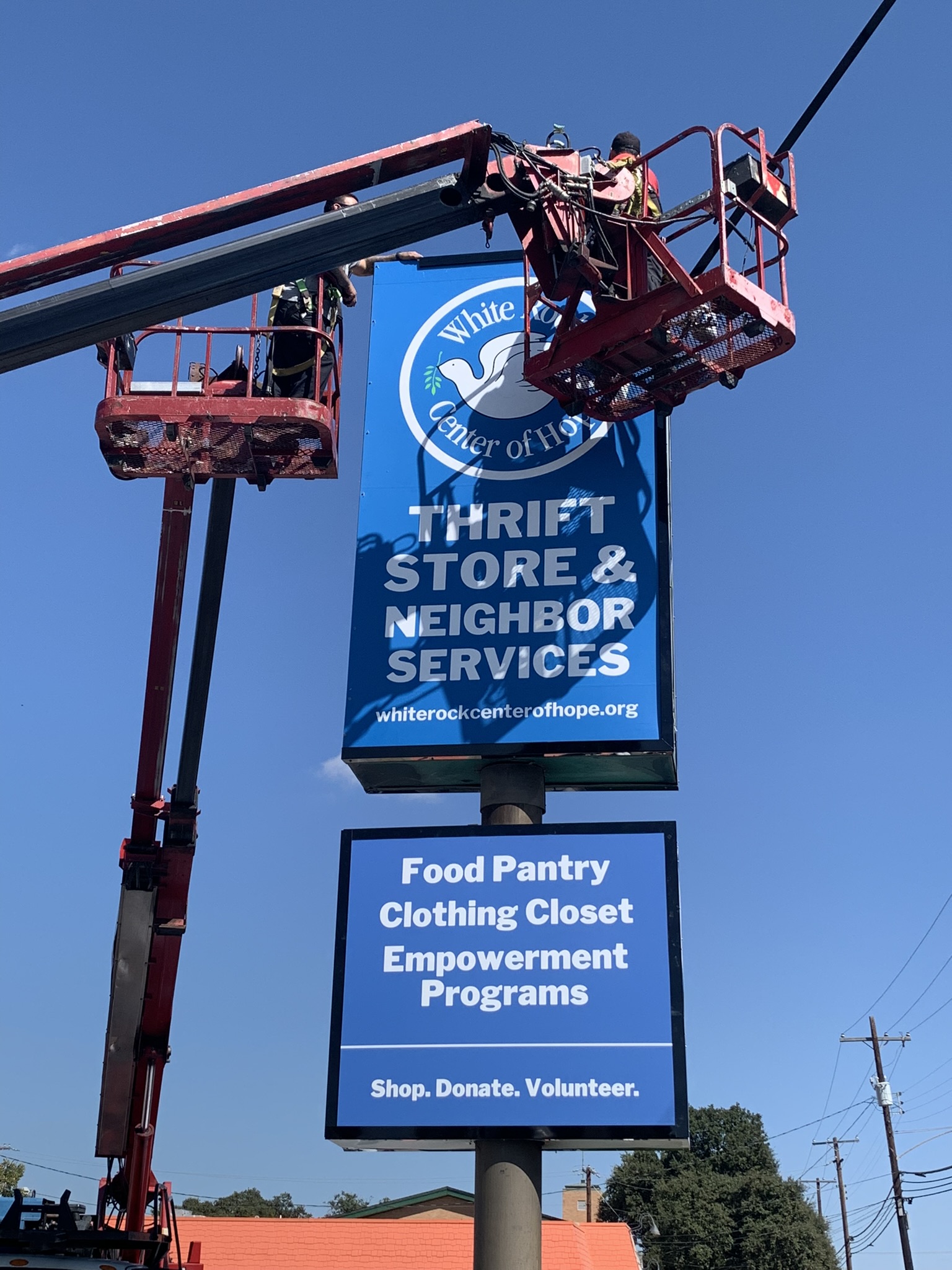
Modern signage encompasses much more than painted boards or standard channel letters; it includes various options like digital displays and custom monument signs. For business owners, understanding the regulations surrounding business signage is critical, especially for those looking to navigate the sign permit process. Each type of signage, from branded awning graphics to outdoor advertising signs, comes with its own set of rules that must be adhered to for legal compliance.
Digital And LED Displays
| Permitting Requirement | Details |
| Permit Processing Time | 4-8 weeks (longer for digital signs) |
| Electrical Inspection | 303 Electrical Sign inspection required for powered signs |
| Distance from Property Line | 1.5-3 meters minimum in many areas |
| Fees | $64.30-$127.60, plus possible surcharges |
| Historic Districts | Extra design reviews and fees may apply |
Moving signs, like LED, capture attention and enable businesses to change messages immediately. They are bright and animated, which provides obvious benefits for advertising, particularly in congested urban marketplaces.
Second, local codes must be met. Most cities restrict brightness, animations, and the location of digital signage to avoid distraction. For municipalities, licensed electricians may be required for installation.
It’s A Good Sign ensures your displays meet all local brightness, animation, and electrical codes.
Temporary Banners
- Always see if you need a permit first to hang banners!
- Fines for unpermitted displays can reach $250 or more.
- Time and size restrictions are location-specific. Straying beyond them can result in sanctions.
- Placement laws could require banners to be a minimum of 1.5 to 3 meters away from roads and sidewalks.
Temporary banners make a great choice for quick campaigns or seasonal promotions. They allow businesses to respond quickly to market shifts. Permits keep banners from obstructing views or posing hazards.
Size and time limitations are rigid in a lot of cities. Some only permit banners for a few weeks at a time.
The Monument Signs
Make a statement and be remembered with monument signs. They help customers find you. Their size and design are perfect for businesses set back from the street. Permits are required, and there are restrictions on height and materials. In Texas, signs sometimes have to be 1.5 to 3 meters from property lines and can be subject to rigorous reviews in historic districts.
It’s got to fit local codes, beyond the standard sign. Colors, lighting, and materials might be restricted, particularly in proximity to heritage structures. It’s A Good Sign manages design, permitting, and installation to meet city requirements.
Awning Graphics
Awning graphics multiply your curb appeal and provide a business with a finished appearance. They make a storefront pop even in busy neighborhoods. Awning graphic regulations usually include size, color, and material restrictions to keep things safe and consistent. Permits may be required, particularly if signs are lighted or projected into public space. It’s A Good Sign ensures your designs fit both your brand and local code standards.
Final Remarks
To remain on the right side of Texas sign regulations, find out what your city or county requires beforehand. City halls and local boards each have their own procedures and regulations; miss one, and you risk fines or delays. Stick to clear plans and keep your sign safe and simple. Don’t rely on outdated lists; always check with local boards for updates.
Start early with sketches and photos, and don’t hesitate to reach out for guidance. A quick conversation today can save weeks of delay later. To keep your business running smoothly and your signage fully compliant, learn the fundamentals and stay ahead of rule changes.
Need expert help navigating permits, installations, or repairs? Contact It’s A Good Sign and get the dependable support you’re looking for.
Frequently Asked Questions
1. Do I Need A Permit For Every Business Sign In Texas?
Yes, most Texas cities require a permit application for outdoor business signage. These commercial sign permit requirements vary, so always check with your local city or county office before you put up any signage.
2. What Happens If I Install A Sign Without A Permit?
In Texas, business owners may not need a permit for certain types of business signage, but they must be aware of the commercial sign permit requirements. Failing to comply can cost you a business delay and expense.
3. How Long Does It Take To Get A Sign Permit In Texas?
Approval times for business signage permit applications depend on your location, but most permits take between one to four weeks. Providing complete and accurate submissions can expedite the sign permit process.
4. Why Are Sign Permits Sometimes Rejected?
Applications for business sign permits are frequently denied due to incomplete paperwork, violations of zoning rules, or designs that don’t meet commercial sign standards. Double-check your documentation and local codes before you apply!
5. Do Digital Signs Require Special Permits?
Yes, digital or electronic signs, considered a form of outdoor advertising signs, often have stricter regulations. They may require different permits, especially if they involve lights or motion pictures, so always check with your local authorities.
Stand Out And Build Trust With Expert Sign Installation, Permitting, And Repair
Your business signage is often the first thing people notice. The right sign doesn’t just display your name, it sets the tone, builds credibility, and helps customers feel confident before they ever walk through your door. From storefront signs to interior branding, quality signage keeps your business visible, welcoming, and compliant.
At It’s A Good Sign, we bring over 30 years of experience to every project. Our team handles sign installation, permitting, and repair with precision, clear communication, and skilled craftsmanship. Whether you need a new sign installed, help navigating city permit requirements, or fast repairs to keep your signage looking sharp, we’re your trusted partner from start to finish.
We manage the details that business owners often find stressful. This includes accurate measurements, safe installation, city code compliance, and repairs that protect both the look and lifespan of your sign. You get a smooth process and results that reflect your brand at its best.
Your sign is an investment in visibility and customer confidence. Keep it looking great and performing well with support from a signage team that knows the industry inside and out.
Ready to upgrade, fix, or install your next sign? Contact It’s A Good Sign today.
Disclaimer
The materials provided on this website are for informational and entertainment purposes only and are not intended to serve as professional advice. You should consult a qualified professional for advice specific to your unique circumstances or needs. Do not act or refrain from acting based on the content on this website without seeking appropriate guidance from an expert in the relevant field.
The information presented here may not reflect the latest developments in signage, design, or related industries. We disclaim all liability for any actions taken or not taken based on the content of this website to the fullest extent permitted by law.