
It’s A Good Sign understands that selecting the appropriate exterior sign style for your building and brand is about choosing a sign that complements your business aesthetic, attracts attention, and communicates what you do. The most effective signs represent your brand with your logo or style. Sign styles such as channel letters, monument signs, or lighted panels each perform well in various locations. Some brands go with bold shapes and others choose simple lines. Selecting the style hinges on what your brand represents and the sign’s location. To illustrate how each sign functions, the main body provides practical applications, helpful suggestions, and ideas for every sign style.
Key Takeaways
- Know yourself and make sure your exterior sign matches your brand, whether that is your company’s core values, mission, or aesthetics.
- Pick sign styles that fit with your building and brand.
- Consider the context of your location, visibility, access and where it is regulated, to optimize place and fit within city rules.
- Employ precise fonts and color schemes to optimize legibility and aesthetic appeal. Customize every design to connect with your target demographic in various settings.
- Future-proof your signage by selecting flexible sign types and digital solutions that can grow with your business and branding needs.
- Finally, protect your sign investment by implementing a thorough maintenance schedule and a budgeting strategy to realistically protect the longevity, aesthetic, and effectiveness of your sign.
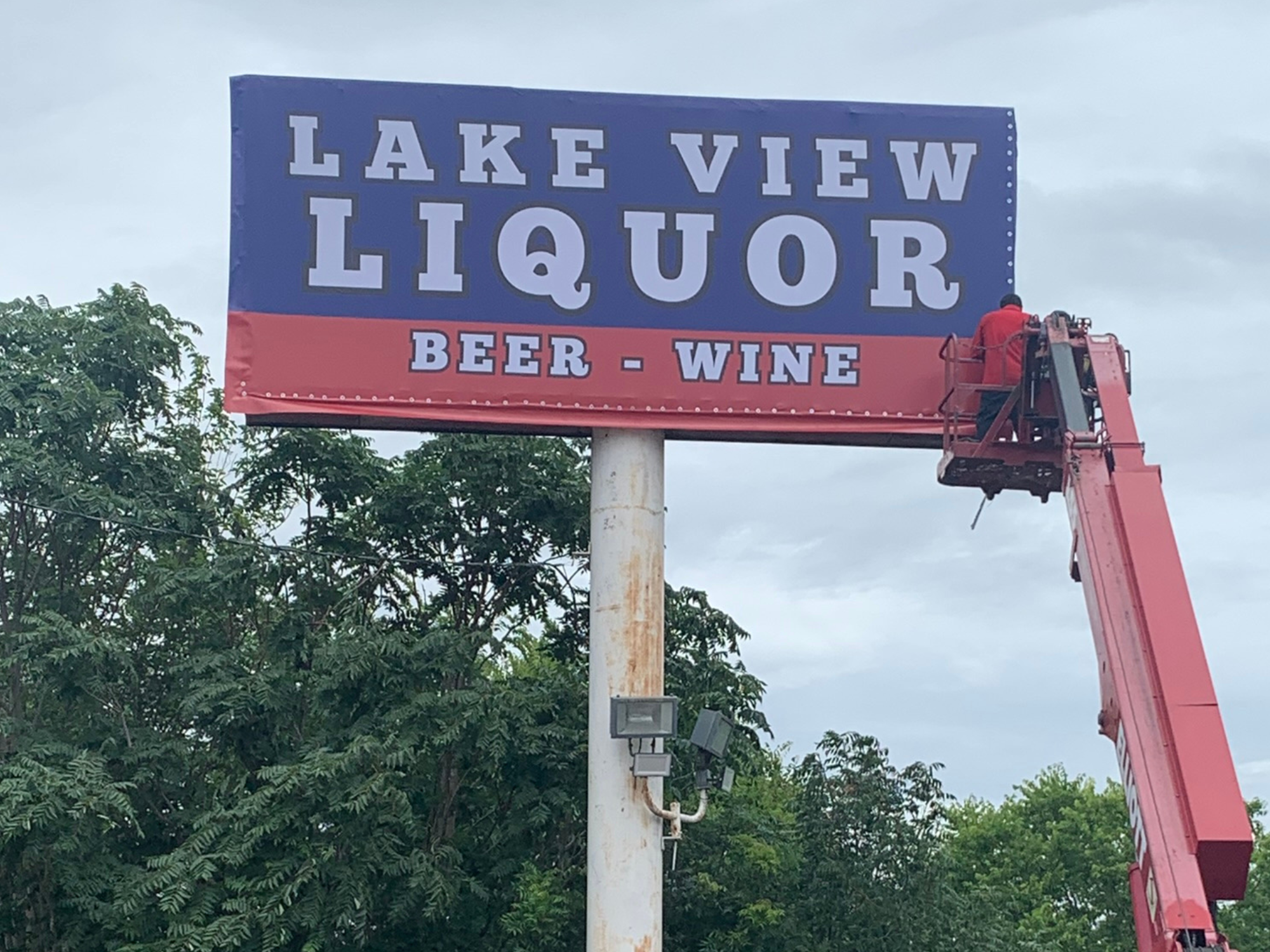
Aligning Your Sign Strategy
Sign Strategy Your outdoor business sign choice should complement your brand, your building, your neighborhood, and your future aspirations. Every decision regarding your external building signage molds the way prospective customers perceive your business when they initially stroll past or stop in.
1. Exterior Brand Image
Brand is more than your logo, it’s every aspect of how you convey your principles. To make an impression, brand your outdoor business sign using your colors, fonts, and logo. This develops immediate identification, particularly in crowded urban avenues or commercial promenades. Pick typefaces that fit your brand: a playful spot may use rounded, bold letters while a law firm might stick to classic, serif fonts. A basic, straightforward message on your building sign identifies who you are and what’s inside. Having a consistent look from your ‘sign on the building’ to smaller directional signs helps tie your brand together and builds trust with your audience.
2. Building Architecture
Your outdoor business sign should seem like part of the building, not an afterthought. Examine the lines, shapes, and age of your location. A contemporary glass office may accommodate slick, illuminated signs, whereas an older brick building will naturally lend itself to hand-painted signs or metal letters. Select enduring materials that suit your brand, perhaps brushed aluminum for a tech startup or wood for a café. The size of your commercial building signs counts as well. If it is too big, it can dominate. If it is too small, it disappears. Dimensional letters or shaped panels can mimic unique features, such as arches or columns, for a harmonious appearance.
3. Location Context
Your building’s location greatly influences your signage needs and design. To ensure high visibility, align your outdoor business sign by determining where people walk and drive. If you’re located near a landmark, observe how your sign complements or contrasts with it. Lighting is crucial, if your sign is in a shaded area or you’re open late, consider using illuminated signs or back-lit signs to enhance visibility at night. Additionally, you must adhere to local regulations regarding sign size, height, and placement.
4. Audience Perception
Understand who you’re trying to tempt with your outdoor business sign. If your customers are young professionals, they might dig a sleek, modern design element for their building signs. Families may gravitate towards happy colors and soft curves. Test sign concepts with real people, face-to-face or online, before you commit. Pivot if you receive input on color, size, or font, as the correct signage can greatly enhance brand visibility. Consider the vernacular and icons, particularly in metropolitan areas.
5. Future Goals
Go long. If you’re going to grow or change your space, choose outdoor business signs that can change as well. Digital signs allow you to change messages quickly or promote a sale. If you may relocate or launch additional locations, employ a custom sign template you can duplicate or customize for each location. Second, define what you want your sign to accomplish, such as increasing walk-in traffic or communicating your brand values, so you can measure its effectiveness as you expand.
Exploring Exterior Sign Styles
Your outdoor signage style not only displays your name, it presents your business and creates initial impressions. The selection of building signs can influence your brand impact, complement your architecture, and optimize your visibility. Most cities have strict sign codes regarding size, illumination, and placement, so it’s smart to check before you invest. The perfect sign blends the style you desire, your space, and your budget.
It’s A Good Sign recommends thinking about these options:
High-Impact Signs
LED backlit letters or lightbox fascias will remain lit up at night, providing 24/7 advertising with illuminated business signs. This is important, as a building sign that reads during the day might disappear when night falls. Check out these oversized outdoor business signs that use bold colors and crisp graphics to capture interest in congested locations. Incorporating unique shapes or materials, such as a brushed metal finish or a 3D acrylic logo, into your exterior building signs can help them be memorable. Mixing sign styles, like combining an elevated lighted sign with dimensional lettering, allows for additional opportunities to attract the attention of passersby and motorists. Research indicates that 76% of shoppers have stepped into a store for the first time simply because that sign attracted them.
Architectural Signs
Building to Sign, Exterior building signs that complement your building’s aesthetic make your brand feel integrated into the environment. Choose materials like wood for a rustic location and steel for a sleek office that suit the design elements. The sign should reflect the lines and tones of your building. An outdoor business sign can accentuate distinctive architecture and highlight stone pillars or glistening glass facades. These signs work best when located at entrances or along primary sight lines. Be aware that certain locations, such as historic or conservation districts, may have additional regulations on style and location, so be sure to consult before you decide.
Pedestrian-Level Signs
- Pick clean fonts and limit text for fast reading.
- Keep signs at eye level for easy spotting.
- Meet them at the doorstep with window graphics or 3D lettering to welcome the walk-in traffic.
- Add QR codes or other easy interactive tools to give more information.
- Consider exterior sign options.
Monument and pylon signs are both excellent options for outdoor signage. While monument signs are low to the ground and enhance landscaping at entrances, pylon signs provide high visibility from a distance, making them ideal for areas with heavy pedestrian traffic. Achieving the right mix involves considering space, code requirements, and your brand’s message for effective outdoor business signs.
Choosing Materials And Lighting
Exterior signage serves as the initial interface between your branding and the public, particularly with outdoor building signs. The choice of materials and lighting options influences not only aesthetics but also longevity and readability, ensuring the correct signage aligns with your brand’s identity. Signs combat weather, pollution, and everyday abuse, making the right combination of materials and illumination options essential for high visibility and durability.
Material Selection
Acrylic, metal, wood, plastics, vinyl, aluminum, and stainless steel are some of the most common building sign material options. Acrylic is lightweight and available in many colors, making it perfect for custom shapes in outdoor signage. Metal signs, such as aluminum or stainless steel, provide increased durability and corrosion resistance, which is crucial in coastal areas or high humidity environments. Wood can instill warmth and tradition, yet typically requires sealants for outdoor endurance.
Sustainability counts when selecting materials for your outdoor business sign. Choosing recycled aluminum or sustainably harvested wood reduces your brand’s carbon footprint. Many modern plastics have recycling options, aligning with sustainable branding. Brands looking for green credentials should seek out suppliers that produce in an environmentally friendly way.
Texture and finish go a long way toward dictating how your sign appears both up close and at a distance. A matte finish reduces glare. Glossy finishes pop in low light. Brushed metal or sandblasted wood provide a tactile, premium experience that fits with luxury or heritage brands.
With custom finishes from painted edges to powder coating, you can elevate your brand’s identity even further. This can make a sign stand out on busy city streets. A custom finish adds that elusive touch that off-the-shelf external building signage cannot replicate.
Illumination Methods
| Lighting Method | Visibility | Maintenance | Energy Efficiency | Aesthetic Impact |
| Front-lit (LED) | High | Low | High | Modern, bright |
| Back-lit | Very high | Medium | Medium | Premium, elegant |
| Halo-lit | High | Medium | High | Subtle, upscale |
| Neon/Faux Neon | Medium | High | Low | Retro, bold |
| Non-illuminated | Low | Low | N/A | Traditional |
Your lighting selection will depend on where your sign is viewed. Densely populated urban streets may require bright LEDs, whereas a boutique hotel could have halo-lit signs for a soft refined glow. Think about how much sun, shade, or artificial light the space receives. LEDs are an investment-saving efficiency, but they can change the tone of your sign with a simple color swap.
Energy-wise options such as LEDs reduce expenses over time and demand less maintenance. Neon looks cool but requires more maintenance and consumes more energy.
Letter size is important for letter visibility, amounting to roughly 25cm of letter height for every 3 metres of viewing distance. Brightness, color and contrast all help your sign get seen, particularly at night.
Mastering Sign Design Principles
Good outdoor signage design is not just about making something look pretty. Signs must serve clear purposes: inform visitors, boost visibility, guide people, and reflect a brand’s values. A quality commercial building sign acts as a quiet salesperson for your business, frequently influencing a person’s initial judgment. Typeface, color, size, and design elements all come together to ensure the message is clear and the sign withstands weather and time. When you master these design principles, you create signage that does more than decorate, it performs!
Typography
Font selection is key for effective outdoor signage. Choose fonts that are legible from a distance and complement your brand’s vibe, especially for outdoor business signs. Sans-serif fonts typically work best for building signs due to their clarity, particularly in bold weights. Avoid using more than two different fonts, as mixing types muddies the message and confuses the eye. Additionally, letter height is crucial, for every 3 cm in letter height, the text can be read from roughly 3 m away. Ensure proper spacing to prevent letters from blurring together or feeling stretched out. Always use high-contrast colors between text and background, as black on white or white on a dark backing maximizes readability in various light conditions.
Color Psychology
Colors not only grab attention, they communicate and influence mood, making them crucial for effective outdoor signage. For instance, blue tends to feel trustworthy and calm, while red conveys urgency or excitement. Choose a color palette that fits your brand’s ethos and pops in the landscape, especially for outdoor business signs. Apply sharp contrasts to make your sign pop, such as yellow on black, which is attention-grabbing and visible in various lighting conditions. Test your colors at different times of day and in various weather conditions to ensure your exterior building signs maintain their visual appeal, coordinating with your overall branding strategy.
Scale And Proportion
The sign size must be appropriate for the space and the intended viewing distance, as outdoor building signs are crucial for visibility. If the sign is too small, it gets lost, if too big, it overwhelms. Ensure your text, graphics, and background space are proportionate, always leaving 30 to 50 percent negative space so the sign doesn’t feel crowded. Consider the environment surrounding the sign, as trees, buildings, or other signs may interfere with visibility. Use size and placement to create a hierarchy: larger fonts for the main message and smaller ones for extra details. Dimensional lettering or illuminated signs attract attention and create dimension, ensuring your sign is noticed day or night.
Navigating Rules And Regulations
Choosing the proper style for a sign is more than aesthetics and branding. Rules and regulations inform a lot of decisions, and advanced planning prevents expensive errors. Local zoning rules typically impose severe restrictions on where signs can be located and how large they can be. For instance, a city will often dictate that signs must sit a certain distance from the street or not rise above a specific height, particularly in shopping or office districts. A careful code review is crucial. This means reading and verifying every rule for your location because laws vary from place to place. Without this step, a sign could violate regulations without anyone realizing it until it’s too late.
Permits aren’t just red tape. They’re evidence your sign complies with the law. If you skip this step, it can result in fines or even being forced to take the sign down. It’s best to check with local offices early to find out what you do need, as each town or area may require different forms and fees. Certain venues change their rules frequently, so it’s smart to keep a lookout for new modifications. Municipal rules dictate how a sign should appear. They might prohibit colors, lights, or materials like in stringent old-town areas where you can only have wood or restrict bright LED lights in peaceful neighborhoods. This is great for maintaining a town’s character, but it can mean reimagining designs.
The location and construction of a sign has to deal with external pressures. Wind, rain and harsh weather can tear up signs if you’re not prepared. Navigating rules and regulations
By using the appropriate materials, it keeps the sign durable and secure. Some rules even specify what material to use or how to mount the sign. They will specify how far they will stand away from the sign. A general rule of thumb is one inch of letter height for every 10 feet of distance, ensuring the sign is legible from the street or sidewalk.
Outdoor signs typically get categorized into one of two camps. Major signs are the primary signage that people notice, such as at the entrance to a structure. Secondary signage goes in less-viewed areas, such as side doors or parking lots. They might be stricter for main signs, so it is wise to verify what you require. Missing or breaking any can mean fines or being told to take the sign down, so careful review saves time and money.
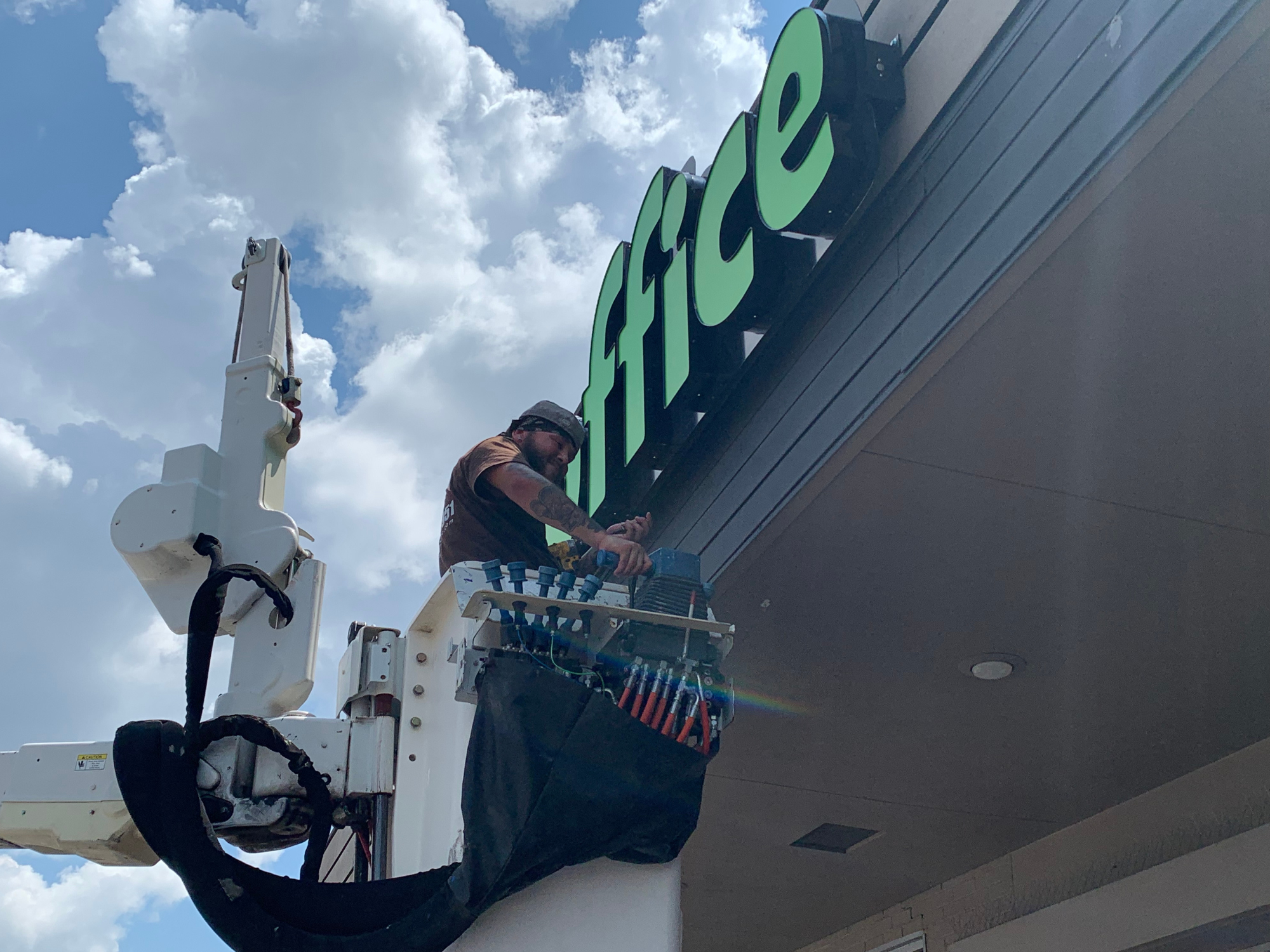
Planning For Longevity
Selecting the perfect outdoor building sign style is about more than thoughtful design and installation. Longevity requires planning for durability, maintenance, and total cost of ownership. Your choices today impact your brand’s visibility for years, so here are some things to think about.
Exterior Paint Upkeep
Regular service is essential to maintaining outdoor business signs that are effective and attractive. Design a plan for a mild soap and water quarterly cleaning to prevent dirt buildup and fading. If you live in a high-wind or coastal region, check mounting hardware annually to prevent rust and structural problems. This easy measure will add half again to the life of many types of signs, including illuminated signs.
Train employees on which cleaning agents and tools are appropriate to prevent harm. For instance, the use of harsh chemicals on vinyl banners reduces their life. Wood has to be sealed and repainted every few years, whereas aluminum might only require the occasional wash to maintain its visual appeal.
Timely repair is crucial. Repair cracked or peeling paint immediately to prevent larger issues. Maintain a record of all maintenance activities, such as cleaning dates and repairs. This assists in trend spotting and longevity planning, allowing us to keep track of the performance of our commercial building signs more easily.
Budgeting
- Initial Purchase Price: Factor in the cost of materials and installation.
- Maintenance And Cleaning: Budget for regular upkeep, including labor and supplies.
- Repairs And Replacements: Set aside funds for unexpected fixes.
- Permits And Compliance: Include fees for local regulations.
- Warranties And Service: Consider coverage for repairs or replacement parts.
Focus on wayfinding, safety or branding signs. This keeps your core talking points crisp and front. While it’s tempting to reduce expenses upfront, high-end materials like Dibond or aluminum can last more than 20 years with a little care, ending up less expensive in the long run than cheaper alternatives. For example, PVC can last one to three years and vinyl banners can last five to seven years with proper care.
Look for cost-saving options, like modular systems, that you can update without replacing. Never plan for hidden costs, like emergency repairs or permit renewals. A thoughtful budget protects your brand reputation and makes certain your investment pays off for years to come.
Final Remarks
To select the perfect exterior sign style for your location, consider what matches your brand and fits your street. Glass signs have a clean, modern feel, while brushed metal gives a crisp, professional impression. Lit signs help your business get noticed at night. It’s A Good Sign recommends observing the types of signs other shops in your area use, but always prioritize clarity, simple signs remain easy to read even from a distance. Follow local rules so your sign goes up without a hitch, and choose heartier materials for long-term durability. Today, your options are wider than ever. Signs don’t just hang over a door, they speak for your brand. Have questions or want additional tips? It’s A Good Sign is here to guide you, visit our blog or leave a comment to start the conversation.
Frequently Asked Questions
1. How Do I Choose The Best Exterior Sign Style For My Brand?
Select a style of outdoor signage that aligns with your brand’s personality and resonates with your audience. Consider factors like visibility, location, and local culture, as a well-designed outdoor business sign enhances recognition and trust.
2. What Materials Are Most Durable For Exterior Signs?
Aluminum, stainless steel, and acrylic are preferred for outdoor building signs due to their weather-resistant properties and low maintenance requirements, ensuring high visibility and visual appeal.
3. How Important Is Lighting For Exterior Signs?
LED lighting enhances the visibility of outdoor business signs, especially at night or during poor weather conditions. Illuminated signage effectively draws attention and guides customers to your commercial establishment.
4. Are There Regulations I Should Know Before Installing A Sign?
Yes, pretty much everywhere there are ordinances around size, placement, and illumination options for outdoor signage. Always confirm local regulations before installing external building signs to avoid fines and ensure safety.
5. What Design Principles Should I Follow For Effective Signage?
Choose clean fonts, straightforward messages, and high-contrast colors for your outdoor business sign. A well-designed outdoor signage can be read from far away and increases brand awareness.
Stand Out And Build Trust With Exterior Signage For Businesses
Your exterior signage is often the first point of contact with potential customers. A well designed sign does more than show your name, it sets expectations, strengthens your brand, and helps people feel confident choosing your business. When your signage is clear, visible, and professionally executed, it works around the clock to bring in customers.
At It’s A Good Sign, our team brings more than 30 years of experience to exterior signage for businesses. We handle everything from installation and permitting to repair, and we do it with careful planning, clear communication, and skilled craftsmanship. Whether you’re updating your storefront, adding new exterior signs, or fixing worn or damaged signage, we make the process simple and reliable.
We take care of the details that often slow business owners down. This includes accurate measurements, safe installation, city code compliance, and repairs that protect the appearance and lifespan of your sign. You get clean, professional results that reflect your brand the right way.
Your exterior signage is an investment in visibility and customer trust. Keep it working at its best with a team that understands what businesses need and delivers quality every time.
Ready to upgrade, repair, or install new exterior signage? Contact It’s A Good Sign today.
Disclaimer
The materials provided on this website are for informational and entertainment purposes only and are not intended to serve as professional advice. You should consult a qualified professional for advice specific to your unique circumstances or needs. Do not act or refrain from acting based on the content on this website without seeking appropriate guidance from an expert in the relevant field.
The information presented here may not reflect the latest developments in signage, design, or related industries. We disclaim all liability for any actions taken or not taken based on the content of this website to the fullest extent permitted by law.