
To avoid these 5 common sign installation mistakes, most folks make sign installs hard due to simple mistakes, such as not scouting the location or utilizing incorrect equipment. Bad mounts or skipped site checks can cause signs to fall, lean, or display incorrect information. Using improper tools or ignoring safety measures usually ends up being more expensive in both time and money. Omitting local rules or not checking for wires can result in fines or big danger. Even experienced tradesmen can overlook these steps when they’re in a hurry. To help your next sign job go well, the following sections enumerate each mistake, explain why it matters, and how to prevent it.
Key Takeaways
- A thorough site survey and smart material choices are critical to making your sign not only super-visible and long-lasting, but in tune with your brand.
- Knowing and following your local codes and regulations can save you expensive legal headaches and keep your sign success sustainable, no matter where you are located.
- Engaging It’s A Good Sign for installation improves sign safety, structural integrity, and compliance, minimizing accidents or future repairs.
- By steering clear of typical errors like disregarding permits, choosing a bad location, incorrect mounting, subpar wiring, and utilizing low-quality materials, you protect your investment and brand’s reputation.
- Regular maintenance checks, proactive repairs, and final inspections guarantee the ongoing effectiveness, safety, and aesthetic appeal of installed signage.
- Balancing the covert expenses of DIY installation with It’s A Good Sign’s professional expertise can assist organizations in making decisions that promote longevity and cost savings.
The Pre-Installation Blueprint
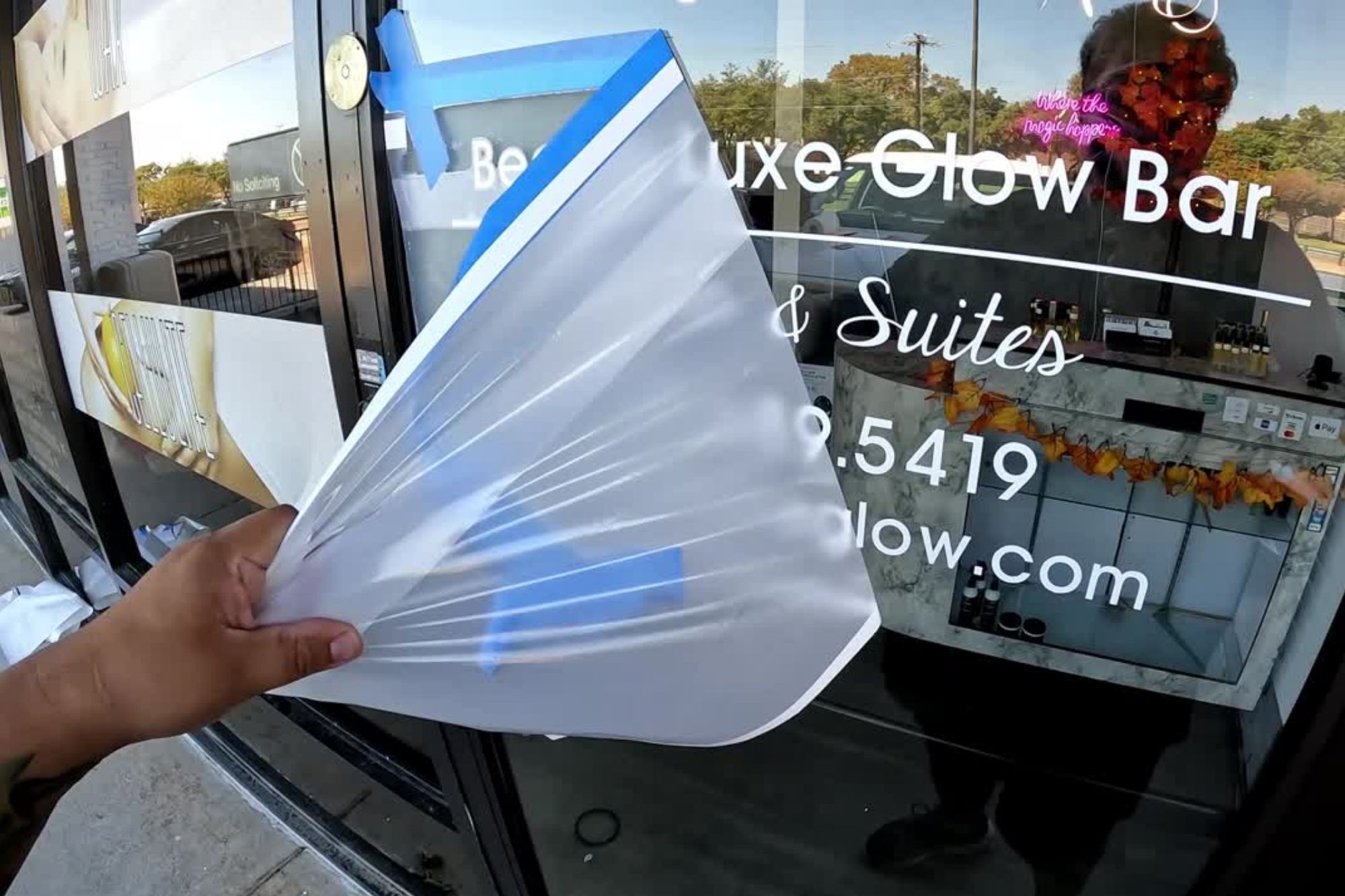
A pre-installation blueprint is not just a plan; it serves as a hedge against costly signage mistakes. This blueprint encompasses site evaluation, materials selection, and compliance with local signage regulations. By ensuring proper installation, it avoids pitfalls like bad visibility and sign wear, ultimately saving years of labor and dollars while maintaining effective signage.
Site Assessment
Begin by blueprinting the full installation space. Observe foot traffic, where individuals enter, navigate, and which pathways receive the most attention. For instance, if you’re placing it in a bustling mall, it should face primary walkways or entrances, not be tucked away in a shadowy corner.
Verify the background and lighting. A 1.5-inch wall ridge or constant shade can obscure sightlines or create glare. Try several positions and test the average eye height. Indoor signage is generally best set between 1.5 and 1.8 meters from the floor and is easy to read by most adults.
Here’s the Pre-Installation Blueprint: Consider what’s around you. If your competition’s signs are louder or brighter, you might need a design that complements your sign or is a standout without clashing. Mark anything that could cause trouble, like overhanging wires or pipes, so you know how to work around them and avoid future repairs.
Material Selection
Deciding on your materials defines both ruggedness and style. Outdoor signs require weather-resistant plastics, metals, or treated wood. Indoor signs may utilize lighter composites. Add backlight or reflective finishes for added night visibility in dim spaces.
Readability is about contrast and finish. Crisp text with matte backgrounds outperforms shiny reflection-prone surfaces. If you need temporary signs, select hardware that is simple to set up and take down.
| Material | Cost (USD/m²) | Durability | Indoor/ Outdoor |
Notes |
| Aluminum | $30-$60 | High | Both | Won’t rust, strong |
| Acrylic | $20-$40 | Medium | Indoor | Lightweight, crisp |
| PVC | $15-$25 | Medium | Both | Versatile, low-cost |
| Wood | $20-$50 | Low-Med | Outdoor | Needs treatment |
Consult It’s A Good Sign to tailor materials to your brand and use. We can suggest mounting hardware, particularly for ridge or uneven walls.
Local Codes
Check zoning laws before drawing or purchasing your sign. Every city and every county has its own guidelines for sign height, illumination, and location. Some limit backlit or large signs. Save yourself fines down the road and simply ask your local officials to provide you with written guidelines or even samples of approved plans.
Keep up, codes change. For example, a city could impose new regulations on LED lighting or signage size for safety reasons. If you don’t know, contact building officials early in your planning. This prevents last-second modification and stalling.
Pre-Installation Checklist
My pre-installation checklist keeps your project on track. Include steps like:
- Inspect the site and note all obstacles or special features.
- Confirm visibility from key points and typical viewing angles.
- Pre-Installation Plan: Align the sign to eye level, generally 1.5 to 1.8 meters high.
- Select durable materials and hardware for the location’s conditions.
- Review and document compliance with all local codes.
- Pre-install blueprints, back-lit for nighttime or dark room use.
- Set up quarterly maintenance: cleaning, checking for damage, and testing lights.
All of them minimize the chance for peeling, warping, or downright unreadability. A robust blueprint addresses everything, from site idiosyncrasies to long-term maintenance.
5 Common Sign Installation Mistakes
The following bullet points summarize the most frequent mistakes businesses make in sign installation projects worldwide.
- Overlooking the permit process results in legal and financial consequences.
- Placing signs in poor locations where visibility is compromised
- Using improper mounting hardware or techniques
- Ignoring wiring and lighting requirements
- Choosing low-grade materials that quickly degrade
1. Neglecting Permits
Failing to obtain permits can lead to costly repairs and fines. Each area has specific local signage regulations regarding sign placement, size, illumination, and location. Not abiding by these regulations can result in removal, so planning is essential. Maintaining all documentation in a secure location facilitates compliance inspections, and consulting with local offices can ensure your paperwork is current and complete.
2. Poor Placement
Location is crucial for effective signage, impacting both exposure and security. If a sign is obstructed behind a tree or shadowed by a building, it becomes ineffective. Signs should be positioned at the right height and angle to engage potential customers and motorists. It’s wise to explore various locations to find what works best, ensuring not to impede vehicular or pedestrian traffic. A sign that’s hard to notice is a big mistake and may contribute to visual noise.
3. Improper Mounting
Using incorrect fasteners or ignoring manufacturer instructions can result in premature failure. Signs that are not securely mounted can fall or rotate, becoming safety hazards, particularly in high winds or severe weather. Inspect hardware regularly, as heat and cold can cause parts to loosen over time. It’s A Good Sign’s experienced installers ensure safe, secure, and long-lasting results.
4. Faulty Wiring
Hiring It’s A Good Sign guarantees secure installation of wiring and lighting for effective signage. Defective connections can cause lights to flicker or go out, rendering the sign useless, particularly at night. All electrical work must adhere to local signage regulations to avoid fines or hazards. We check wiring for wear and test each lighting feature after installation to ensure everything functions properly.
5. Inferior Materials
Higher quality materials last longer and look better, which is essential for effective signage. Cheaper ones will rust, fade, or break down at worst, leading to costly repairs. Materials should align with the climate and the brand identity to avoid corrosion or warping, while It’s A Good Sign can assist in selecting the right products for any sign installation project.
Why Professional Installation Matters
The importance of professional sign installation cannot be overstated. It involves adhering to local signage regulations and ensuring proper installation for long-term durability. It’s A Good Sign understands how to prevent costly signage mistakes that can lead to damage or ineffective signage.
Installation Safety
- Use harnesses, helmets, and gloves for personal protection
- Install fences for pedestrian protection.
- Inspect tools and lifting gear before use
- Follow the rules for handling electrical signs and lighting
- Secure ladders and scaffolding on stable ground
- Check weather conditions to avoid unsafe installations
Poorly installed signs can be dangerous, particularly in windy or rainy conditions. It’s A Good Sign ensures your fasteners are tight, your lighting is safe, and your installation meets code every time.
Going over safety procedures tends to put workers back in a state of preparedness for something new. Everything must meet code and be upgraded when codes change.
Permit Compliance
It’s A Good Sign’s team is familiar with local codes and zoning laws. We monitor new regulations so your sign doesn’t violate any laws, saving you from fines or removal down the road.
If they’re unsure of what is permitted, they can consult with city offices or property managers to get the details. This ensures your sign project proceeds without legal issues.
Longevity
With best-in-class materials and expert installation, It’s A Good Sign prevents rust, corrosion, and weather damage. Routine inspections catch early symptoms of wear, such as fading, warping, or loose components.
They’re professional installation really matters. Little fixes done in advance can prevent big problems down the line. That’s less sign failure risk and more value longevity.
Expertise
It’s A Good Sign understands what works and what doesn’t. They can assist in determining the ideal location so your sign pops and performs as intended. Their expertise prevents typical issues, such as inadequate illumination or insecure anchoring that can render a sign ineffective or hazardous.
They provide personalized consulting, tailoring the sign to the specific business or location. DIY disasters, such as signs that don’t glow in the dark or tear in a storm, are far less common with professional assistance.
The Hidden Costs Of DIY
A DIY approach to sign installation may seem like a cost-effective method at first glance, but many hidden costs can arise. Common pitfalls, such as code violations and structural failures, often outweigh the initial savings. These hazards impact not just finances but also safety, brand identity, and the need for ongoing repairs.
Re-installation Fees
DIY sign installation can lead to expensive re-installation costs due to the sign installation mistakes businesses often make. A falling or unstable sign may necessitate an emergency service call, with fees for removal and a second installation. Each mistake multiplies that initial cost, including direct expenses and lost time if the sign is down. If a fastener isn’t set correctly, it can come loose as the seasons change, causing warping, misalignment, or potential safety issues. That’s not just paying for new parts, it’s paying a pro from a professional sign installation company to repair your mistakes. Consider your budget for the lost time and resources during reinstallation, and the potential loss of business due to a missing or unreadable sign. Often, bringing in a pro from the beginning is cheaper than repairing recurring DIY screw-ups.
Code Violations
Unfamiliarity with local signage regulations can lead to costly repairs in the form of expensive fines. Many cities require permits for certain types of business signs, and failing to secure approval could result in fines or removal of the sign. These regulations often fluctuate or differ from town to town, making it challenging for amateurs to stay informed. Non-compliance not only exposes you to potential legal action but can also lead to ineffective signage that causes hazards or obstructs visibility. By hiring a professional sign installation company, you ensure compliance with all codes and obtain the necessary permits, significantly reducing this risk.
Potential Damages
DIY sign installation can significantly increase the risk of personal injury and property damage. When signs are hung without proper tools or hardware, they may come crashing down on pedestrians or employees, creating a dangerous situation. Additionally, using low-quality materials or inadequate structural support can lead to rust, corrosion, and damage to both the sign and the building. Poor sign design can also result in dark or flickering signs due to defective wiring, which ultimately hurts your brand identity. It’s often more cost-effective to hire a professional sign installation company to avoid these costly signage mistakes.
| Expense Category | DIY Installation (Estimate) | Professional Installation (Estimate) |
| Initial Cost | $250 | $600 |
| Permit Fines | $150-$300 | $0 |
| Re-installation | $200 | $0 |
| Damage Repairs | $100-$400 | $0-$50 |
| Liability/Accident Costs | $500+ | $0 |
| Total Potential Cost | $1,200-$1,650 | $600-$650 |
Securing Your Sign’s Future
A sign is not just a marker; it’s an investment in the perception of your brand identity. This investment retains its value only if you ensure proper sign maintenance. If your sign is not secured properly, it won’t look appealing for long. Rust or corrosion could begin to take hold, leading to costly repairs. Cheaping out on materials or maintenance can result in ineffective signage, from fading graphics to fasteners that loosen with temperature fluctuations. Regular maintenance at least every quarter is key for longevity, keeping your custom signs in prime condition regardless of location or climate.
- Inspect all mounting points and structural supports quarterly
- Clean surfaces and remove debris every three months
- Check lighting and electrical components monthly
- Inspect for rust, corrosion, or paint damage a minimum of twice a year.
- Review sign positioning and visibility each season
- Log all findings and repairs in a maintenance record
Routine Checks
Regular inspections are the lifeblood of sustainable signage. Begin with routine inspections and search for weathering, loose hardware, or noticeable cracks. Use a checklist to make sure you evaluate the basics: visibility from different angles, physical stability, and whether lighting is working as intended. Bad positioning obscures your sign, and flickering or dim lights diminish its impact, particularly in darkness.
Seasonal transitions count. Summer expansion or winter contraction can loosen fasteners or warp materials. Establish a routine to check signs after significant weather events. For complicated or expensive signs, hire experienced professionals. A professional can identify problems that laypeople might overlook, like concealed rust or indications of electrical malfunction.
A deep approach requires more than a peek. If you observe anything amiss, record it. Maintain records of every inspection so you can observe trends in issues over time.
Proactive Repairs
Address minor issues early. When inspections discover cracked panels, fading, or rust, resolve them immediately to prevent more extensive repairs or a total replacement.
Schedule repairs from your inspection checklist. Don’t wait for a sign to break down. Repair loose mounts and replace flickering bulbs immediately. Train staff so they know what to look for. Broken brackets, shifting positions, or exposed wiring all need fast action.
Above all, address repairs that impact safety or visibility first. If a sign wobbles or falls, it is ineffective. Bad maintenance translates into lost business and more expensive repairs down the road.
The Final Check
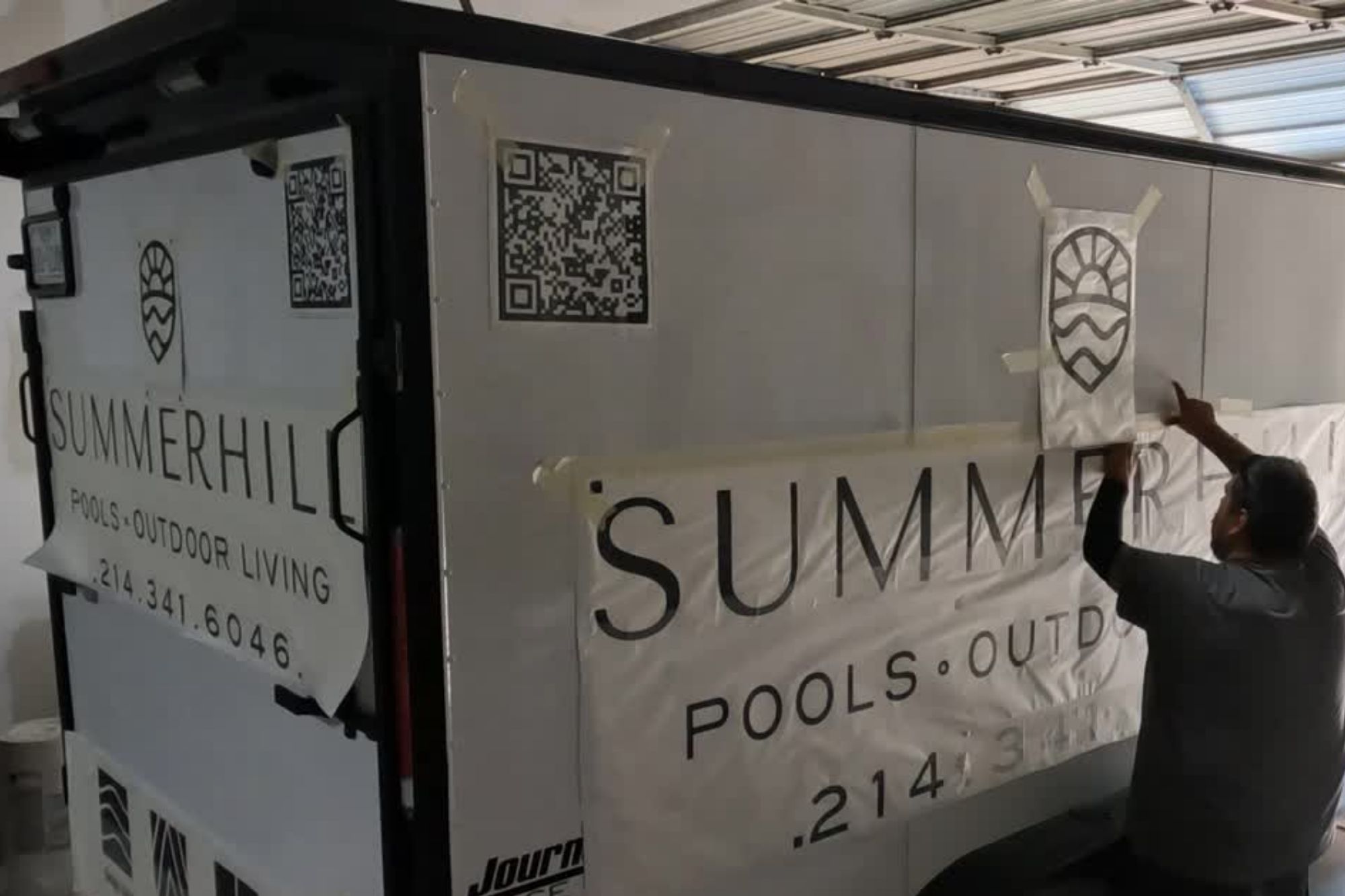
The final check is a critical step to ensure a professional sign installation goes well. It aids problem detection, such as loose bolts, heat or cold warping, or inoperative lights. A vigilant check here can save you time and money down the road. This step assists in ensuring the sign complies with local signage regulations and safety standards. With this, you’re assured the sign will endure, look great, and accomplish everything it needs to.
Illumination Test
Begin by switching on every light for your business signs. Walk around the sign at night to ensure each bulb or LED lights up brightly. If you catch anything dim or flickering, replace it quickly. The final check is a bright, uniform light, which is crucial for effective signage that needs to be visible in shadowy areas or at a distance. Observe how the light falls on the sign and adjust the lights or shift the angle if you notice shadows or glare. This, in turn, keeps the sign legible and on brand. Additionally, don’t forget to check your local signage regulations, as some locations implement restrictions on brightness or directional signage.
Stability Review
Inspect each bolt, bracket, or anchor. Be sure nothing is loose or rusted, as even a tiny gap tends to expand. Give a push or a shake to the sign and check that it’s not easily toppled in wind or rain. Check for warping, which can frequently occur with heat or cold. If the sign leans, straighten the lean. A wobbly sign or one that’s not perfectly plumb will fail safety inspections and can ruin the aesthetic you’re hoping to achieve. If you notice rust or cracks, mark it for fixing before the sign goes live. A quick fix now avoids a costly repair later.
Final Walkthrough
Circle the entire sign location, ensuring proper sign placement. Check it from afar and close up, viewing it from the side and front to confirm the sign design aligns with the plans and brand identity, while also being super visible. If you notice any defects, note them and photograph them as documentation to support effective signage maintenance. This step not only provides peace of mind but also demonstrates that the job is done correctly.
Final Remarks
Prevent sign disasters by planning your install. Missed checks or bad tools can ruin a sign’s appearance or longevity. A hasty installation job ends up being more expensive in the long run. Extra-care hands and plain-old checks make signs stick and keep people safe. Consider the price of having weak anchors or incorrect wires; those repairs will consume time and money. Well-planned installs prevent stress and keep business flowing.
Need more real advice or got a tough install in mind? Check the blog from It’s A Good Sign for expert guides or contact our team for professional assistance. Signs count, and the proper procedures count even more. Be savvy, be skeptical, and keep your sign game strong with It’s A Good Sign.
Frequently Asked Questions
1. What Are The Most Common Mistakes During Sign Installation?
Rough site surveys, disregard for local signage regulations, weak material choice, incorrect mounting, and lack of weather resistance are the most common mistakes in sign installation projects. Steering clear of these pitfalls will make your custom signs more long-lasting and effective.
2. Why Is Professional Sign Installation Important?
They know the local signage regulations and safety aspects, ensuring effective sign installation while mitigating risks of damage and legal complications. This expertise in sign placement makes your custom signs more attractive and longer-lasting, ultimately enhancing your brand identity.
3. How Can I Prevent Sign Installation Errors?
Think it through, look up the local signage regulations in your area, get quality materials, and adhere to the manufacturer’s instructions. Hiring a professional sign installation company helps you avoid costly signage mistakes and ensures a safe, permanent installation.
4. What Are The Hidden Costs Of DIY Sign Installation?
These hidden costs, such as fines for code violations and repairs due to improper mounting, can stem from common mistakes businesses make during sign installation. Expert sign installation helps avoid these additional expenses.
5. How Does Weather Affect Sign Installation?
Weather can compromise materials and mounting if not factored into sign installation projects. Opt for weather-resistant options to shield your custom signs from the elements, such as wind, rain, and sun.
Stand Out And Build Trust With Expert Sign Installation, Permitting, And Repair
Your business signage is often the first thing people notice. The right sign doesn’t just display your name, it sets the tone, builds credibility, and helps customers feel confident before they ever walk through your door. From storefront signs to interior branding, quality signage keeps your business visible, welcoming, and compliant.
At It’s A Good Sign, we bring over 30 years of experience to every project. Our team handles sign installation, permitting, and repair with precision, clear communication, and skilled craftsmanship. Whether you need a new sign installed, help navigating city permit requirements, or fast repairs to keep your signage looking sharp, we’re your trusted partner from start to finish.
We manage the details that business owners often find stressful. This includes accurate measurements, safe installation, city code compliance, and repairs that protect both the look and lifespan of your sign. You get a smooth process and results that reflect your brand at its best.
Your sign is an investment in visibility and customer confidence. Keep it looking great and performing well with support from a signage team that knows the industry inside and out.
Ready to upgrade, fix, or install your next sign? Contact It’s A Good Sign today.
Disclaimer
The materials provided on this website are for informational and entertainment purposes only and are not intended to serve as professional advice. You should consult a qualified professional for advice specific to your unique circumstances or needs. Do not act or refrain from acting based on the content on this website without seeking appropriate guidance from an expert in the relevant field.
The information presented here may not reflect the latest developments in signage, design, or related industries. We disclaim all liability for any actions taken or not taken based on the content of this website to the fullest extent permitted by law.